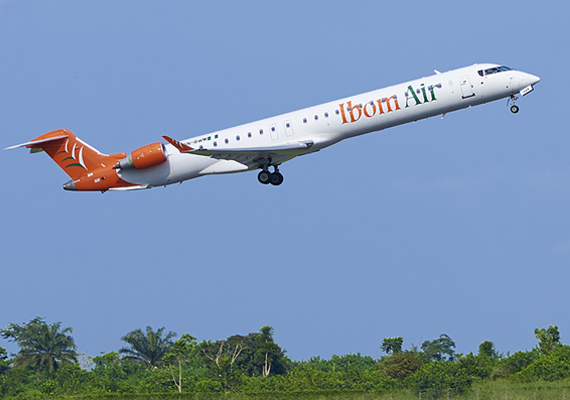
Ibom Air has denied having the power to keep rival airlines away from Victor Attah International Airport, Uyo, amid growing public concern about limited flight options and high fares on some routes serving Akwa Ibom State.
The Akwa Ibom-owned airline said its position as the home-based carrier does not give it ownership or regulatory control of the airport. In a statement issued on Sunday, the company said decisions on which airlines may operate from Nigerian airports are handled by the relevant aviation authorities.
Ibom Air specifically pointed to the Nigeria Civil Aviation Authority, which is established under the Civil Aviation Act 2022 as Nigeria’s sole civil aviation regulatory body. The NCAA says its responsibilities include aviation safety oversight, airport oversight and economic regulation of the industry.
The airline also rejected any suggestion that changes in its own flight schedule were designed to restrict competition. It said some routes, including services to Enugu and Calabar, had previously been suspended temporarily because of aircraft maintenance and other operational requirements. Aircraft availability, fuel logistics, airport infrastructure and scheduling can also affect the number of flights an airline operates, it said.
The controversy has also been linked to complaints from passengers about the availability and cost of seats on Uyo routes. One passenger, George Essien, said in a Facebook post that he paid ₦227,000 for a Lagos-Uyo ticket after being unable to obtain a seat for three days. His complaint prompted questions about whether more airlines should operate from the airport.
Ibom Air said it was not opposed to competition. Rather, it argued that additional carriers at Uyo could give travellers more choices in terms of airlines, schedules and fares while increasing passenger traffic and improving connectivity to Akwa Ibom and the wider South-South region.
The airline has separately attributed pressure on seat availability to strong demand and reduced capacity caused by aircraft maintenance. It said flights on the Lagos-Uyo and Abuja-Uyo routes had temporarily dropped from three daily services to two, while capacity was expected to improve with the return of aircraft from maintenance and the introduction of another Airbus A220-300.
Ibom Air’s clarification therefore separates two issues that have become intertwined in the public debate: who has authority to approve airline operations at Victor Attah International Airport, and whether passengers have enough affordable alternatives when demand for flights is high. On the first question, the airline says the regulatory authority lies outside its hands.