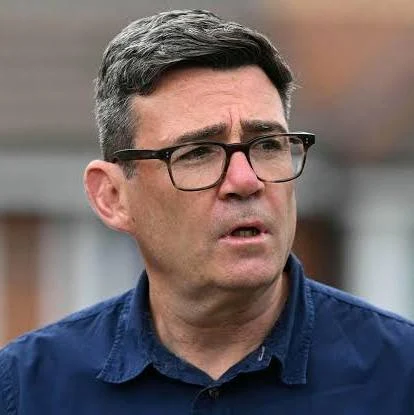
LONDON, United Kingdom | November 16, 2026 — British Prime Minister Andy Burnham has called for a fundamental reset of relations with the European Union, acknowledging that Brexit has failed to deliver its promised economic benefits and that Britain must rebuild closer ties with its European neighbours. Speaking at the annual Lord Mayor’s Banquet in London on Monday, Burnham argued that Britain’s departure from the EU had weakened its economic prospects and contributed to years of political division. The prime minister compared the country’s experience with Brexit to the famous fairy tale The Emperor’s New Clothes, suggesting that political leaders had avoided confronting its consequences.
“We have lost more than we have gained in the last 10 years,” Burnham declared, adding that the existing Brexit arrangements were inadequate for Britain’s future.
His remarks came ahead of a major UK-EU summit scheduled for Friday, November 20, in Brussels, where both sides are expected to advance negotiations on trade, energy, security and economic cooperation. The discussions could produce agreements to reduce barriers affecting food and agricultural products, strengthen cooperation on emissions trading and expand opportunities for young people to work temporarily across Britain and EU countries.
However, negotiations remain complicated by disagreements over youth mobility arrangements, university tuition fees and regulatory alignment. Burnham cited economic assessments suggesting that Brexit had reduced Britain’s economic output by approximately 4%, with some estimates placing the damage as high as 8%. Trade figures also show that British food and drink exports to the EU fell by almost one-third in 2025 compared with 2019. The prime minister maintained that closer European cooperation could reduce business costs, ease pressure on household budgets and improve Britain’s international competitiveness.
Nevertheless, he insisted that any new agreement must satisfy three conditions: respect Labour’s existing commitments, improve the Brexit settlement and deliver measurable benefits to communities experiencing economic hardship. His government remains committed to avoiding a return to the EU’s single market or customs union before the next general election. European leaders have welcomed Britain’s renewed willingness to cooperate but warned that closer integration would require difficult compromises. Brexit supporters, meanwhile, argue that leaving the EU has given Britain greater freedom over trade agreements, immigration policies and domestic regulations.
Former Prime Minister Boris Johnson has also opposed suggestions that Britain could eventually rejoin the bloc. The controversy reflects divisions that emerged during the 2016 referendum, when 52% of voters supported leaving the EU. Burnham said his government would open wider discussions about Britain’s long-term European relationship after the Brussels summit. Although no decision has been taken to reverse Brexit, the government’s new approach signals a significant shift towards rebuilding economic and diplomatic cooperation with Europe.