PARIS, France
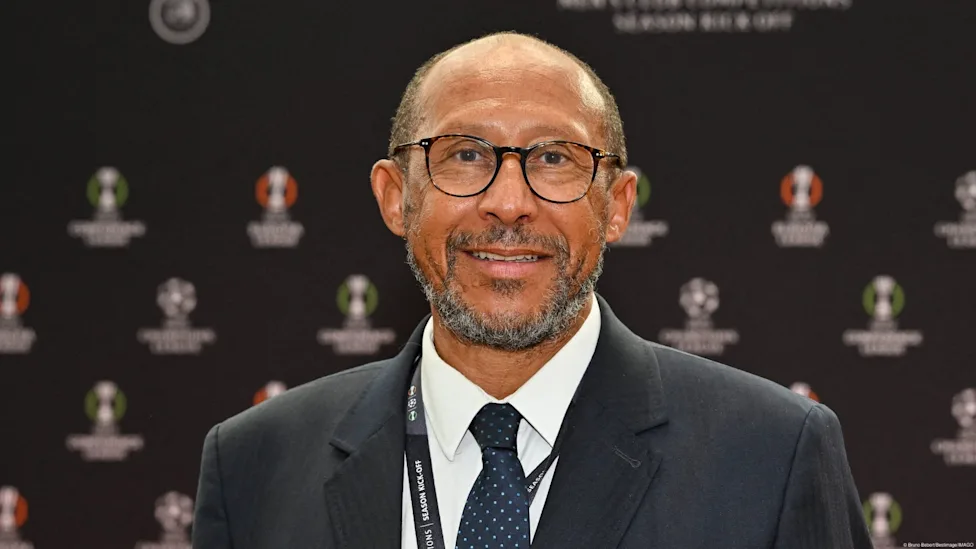
European football’s governing body, UEFA, has thrown its support behind French Football Federation (FFF) President Philippe Diallo to challenge incumbent Gianni Infantino in the March 2027 FIFA presidential election, signalling a major confrontation over the leadership and governance of world football. UEFA announced the decision on Monday, November 16, following a meeting chaired by its president, Aleksander Čeferin. According to the organisation, national football associations represented on the UEFA Executive Committee and FIFA Council unanimously endorsed Diallo’s candidacy, expressing confidence in his ability to strengthen accountability and cooperation within international football.
The 63-year-old French football administrator accepted the invitation, although his candidacy was still awaiting formal ratification by the FFF Executive Committee, scheduled to meet on Tuesday. The FIFA presidential election will take place on March 18, 2027, during the organisation’s congress in Rabat, Morocco. The deadline for candidates to submit their nominations is November 18. UEFA’s decision follows months of growing disagreements with Infantino over his leadership style and proposals to commercialise major FIFA competitions.
Tensions intensified after the FIFA president introduced plans in July to allow private investors to acquire stakes in a commercial entity holding rights associated with major football tournaments. The proposal attracted strong opposition from European football authorities, who raised concerns about transparency, governance and the potential commercialisation of international competitions. Although Infantino subsequently abandoned the initiative, disagreements between FIFA and UEFA continued.
In September, Diallo announced that the French Football Federation was withdrawing its support for Infantino’s re-election, arguing that confidence in the FIFA president had been undermined. The French administrator has led the FFF since 2023 and previously held senior positions representing professional football clubs in France. His experience also includes involvement in FIFA’s dispute-resolution structures and membership of UEFA’s Executive Committee. German Football Association President Bernd Neuendorf welcomed Diallo’s emergence, describing him as a credible alternative capable of bringing a different approach to football administration.
However, UEFA’s endorsement does not automatically guarantee support from all 55 European national associations. Infantino, who has led FIFA since 2016, continues to enjoy backing from several international football bodies, including the Asian Football Confederation. Other figures who have expressed interest in contesting the presidency include Japanese football administrator Kozo Tashima and former Swiss international Ramon Vega.
Under FIFA’s election rules, candidates must secure nominations from at least five member associations before undergoing eligibility checks. The forthcoming election therefore presents an important debate over football governance, commercial priorities and the relationship between FIFA and its continental confederations. For UEFA, supporting Diallo represents a coordinated attempt to secure changes in international football leadership. Whether that support extends beyond Europe remains a central question ahead of the March election.