Building a house in Nigeria has become increasingly expensive, yet the country’s three major cement manufacturers reported combined revenue of ₦5.79 trillion in the first nine months of 2026.
Financial statements released by Dangote Cement, BUA Cement and HBM Nigeria showed that their earnings continued to grow despite concerns about the cost of construction materials.
Between January and September, the companies’ combined revenue increased by 20.8 per cent from ₦4.79 trillion recorded during the corresponding period of 2025.
Their total profit after tax also rose by 38 per cent to approximately ₦1.7 trillion.
Dangote Cement maintained its position as the largest contributor, reporting ₦3.77 trillion in revenue, representing a 19.6 per cent increase.
The company’s profit after tax climbed by 31.2 per cent to ₦974.8 billion, reflecting stronger earnings across its operations.
Revenue from its Nigerian business alone reached ₦2.67 trillion, compared with ₦2.18 trillion in the previous year.
BUA Cement also recorded growth, generating ₦1.087 trillion in revenue, an increase of 26.5 per cent.
Its profit after tax rose by nearly 60 per cent to ₦463.1 billion during the nine-month period.
HBM Nigeria, previously known as Lafarge Africa, reported revenue of ₦928 billion and approximately ₦272 billion in profit after tax.
The figures come at a time when many Nigerians are finding it increasingly difficult to finance building projects.
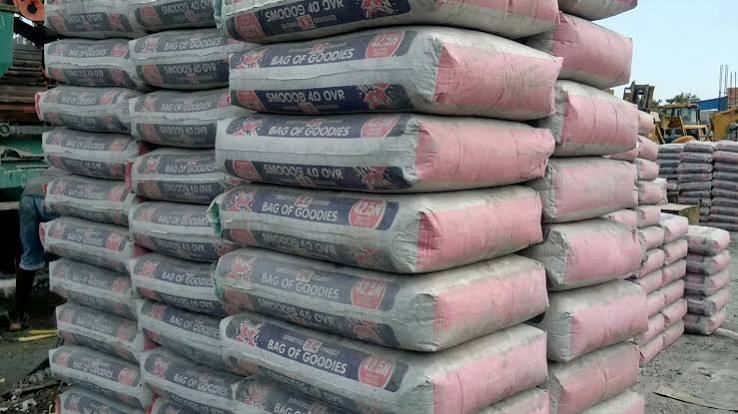
A 50-kilogramme bag of cement currently costs between ₦13,000 and ₦15,000 in some markets, compared with roughly ₦3,300 to ₦3,500 in 2021.
The price difference has added to the financial burden on homeowners, contractors and property developers.
Concerns about cement pricing also attracted regulatory attention earlier in the year.
In August, the Federal Competition and Consumer Protection Commission raised questions about possible price manipulation following a preliminary investigation into the industry.
The commission estimated that Nigeria had an installed cement production capacity of between 60 million and 65 million metric tonnes annually.
Domestic consumption, however, was estimated at approximately 25 million to 30 million tonnes.
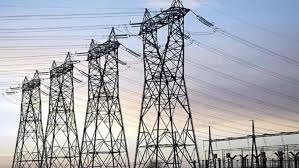
Manufacturers have continued to identify electricity expenses, transportation costs, exchange-rate fluctuations and imported machinery as factors influencing production costs.
InvestData Consulting’s Chief Operating Officer, Ambrose Omordion, linked the companies’ rising earnings partly to their ability to transfer higher operating costs to buyers.
He also identified better electricity supply and transportation infrastructure as measures that could help reduce production expenses.
While the financial results show continued growth among cement producers, the high cost of cement remains a major concern for Nigerians hoping to build or complete their homes.