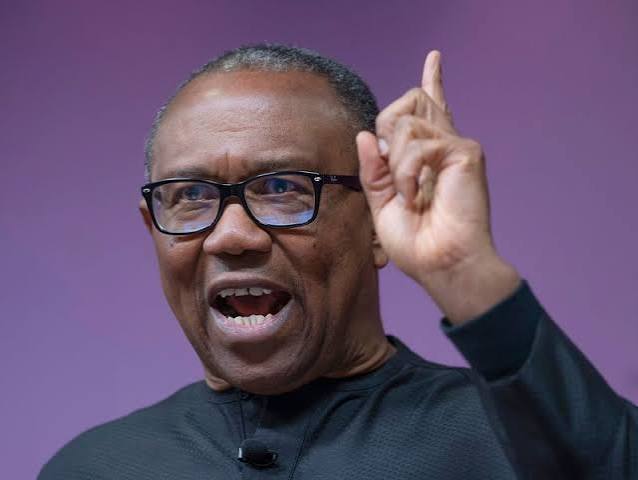
Peter Obi has challenged President Bola Tinubu and other politicians seeking Nigeria’s presidency in 2027 to appear before voters, explain their records and allow Nigerians to scrutinise their plans for the country.
The presidential candidate of the Nigeria Democratic Congress made the call on Friday in Onitsha, Anambra State, while formally commencing his party’s campaign for the 2027 presidential and National Assembly elections. Obi said candidates should engage citizens themselves instead of leaving political representatives or surrogates to speak for them.
According to Obi, the campaign period should give Nigerians the opportunity to question those seeking the country’s highest office about their past performance, credentials and proposed policies. He said voters should be able to assess what each candidate has done and what they intend to do if elected.
“Every candidate seeking the presidency must have the courage to come before the people, answer their questions, defend their records, and subject their vision to public scrutiny.”
Obi also argued that presidential candidates needed to maintain direct contact with communities dealing with serious challenges. He specifically referred to areas affected by banditry, criminality, terrorism and flooding, saying political leaders needed to see such conditions and listen to the people affected.
The former Anambra governor said his own campaign would follow that approach. He said he and his running mate, Rabiu Kwankwaso, planned to engage Nigerians directly and take their campaign to communities across the country rather than depend on political surrogates.
Obi also presented the broad direction of his proposed programme, placing economic production, investment and human development among its priorities. His campaign agenda includes moving the economy away from excessive dependence on consumption and promoting activities that can expand production and improve living conditions.
On security, Obi said his approach would include addressing insecurity while paying attention to the social and economic difficulties confronting Nigerians. He also identified issues including poverty, hunger, education and healthcare as areas his administration would seek to address.
He further said the election should give voters the chance to examine candidates and their programmes rather than allow ethnic, religious or political considerations to dominate the debate. His message was that presidential contenders should be prepared to explain their records and proposals directly to the electorate.
The campaign season comes ahead of the presidential and National Assembly elections scheduled for January 16, 2027. The Independent National Electoral Commission lists the governorship and State Houses of Assembly elections for February 6, 2027.
Obi’s challenge therefore places direct engagement with voters at the centre of his early campaign message, calling on those seeking the presidency to speak for themselves and allow Nigerians to question their records, ideas and plans before the election.