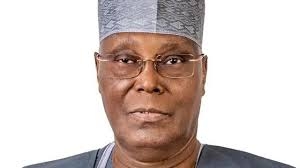
Former Vice President Atiku Abubakar has stepped up his criticism of President Bola Tinubu’s economic policies, arguing that Nigerians have yet to see sufficient relief from the hardship that followed the removal of petrol subsidy.
Atiku’s latest criticism followed Tinubu’s rejection of his proposal for government intervention in the petroleum market. In a statement issued by his Senior Special Assistant on Public Communication, Phrank Shaibu, Atiku said the administration could not point to higher government revenues while ignoring the pressure facing households.
The disagreement centres on what form, if any, government support for petrol should take. Atiku initially said he would restore the subsidy if elected in 2027, but subsequent statements from his camp described his proposal as a targeted intervention intended to support domestic production rather than return to the former import-based arrangement.
Atiku has argued that the economic circumstances surrounding the policy have changed, making it necessary to reconsider how the government cushions the impact of higher energy and transportation costs.
“Economic prescriptions respond to prevailing conditions. But other things are no longer equal in Tinubu’s Nigeria.”
He has also questioned what happened to the financial savings that were expected to follow the removal of the petrol subsidy. In an earlier statement, Atiku called on the Federal Government to publish detailed accounts of federation revenues, deductions, savings and transfers, including funds associated with the subsidy reform.
The former vice president has linked the subsidy debate to the wider cost-of-living crisis, pointing to higher petrol prices, transportation expenses and other household costs. His argument is that removing the subsidy should have produced clearer benefits for Nigerians rather than leaving consumers to bear the immediate effects of the reform.
The Federal Government has rejected that assessment. Information Minister Mohammed Idris said in Abuja on August 19 that resources freed by subsidy removal were being redirected towards infrastructure, economic renewal and public welfare. He described the reform as difficult but maintained that it was necessary.
Atiku has nevertheless continued to press for a different approach. In later statements, his camp said the proposed intervention would be linked to domestic refining and production, with safeguards intended to avoid the problems associated with the previous subsidy system.
The debate has since widened beyond the immediate question of petrol prices. The Presidency has challenged Atiku’s position on subsidy, while Atiku has maintained that the government should account for the benefits and savings it says have resulted from the reform.
For Atiku, the central issue remains the effect of economic policy on Nigerians’ daily lives. His renewed criticism has therefore added another layer to the emerging 2027 political contest, with the two sides offering sharply different accounts of the consequences of the subsidy removal and the direction of economic policy.