Three years into President Bola Tinubu’s administration, the Manufacturers Association of Nigeria (MAN) says the government’s economic reforms have not yet translated into meaningful growth for the country’s industrial sector.
In its assessment of the administration’s performance, the association acknowledged efforts aimed at stabilising the economy but noted that manufacturers continue to face significant operational challenges that have limited production and investment.
According to MAN, persistent foreign exchange volatility, rising energy costs, high interest rates, inflationary pressures and inadequate infrastructure have continued to weigh heavily on businesses across the sector.
The group said that while several policy measures introduced by the government are intended to improve the business environment, their impact has yet to be felt by manufacturers.
“Manufacturers are yet to see policies translate into industrial growth.”
MAN noted that many companies are still operating below capacity, while others are struggling to remain competitive due to escalating production costs and reduced consumer purchasing power.
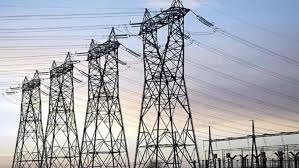
The association urged the Federal Government to accelerate the implementation of reforms that directly support local industries, including improved access to affordable financing, stable electricity supply, enhanced infrastructure and a more predictable foreign exchange market.
It also called for sustained engagement between policymakers and industry stakeholders to ensure that economic policies address the realities facing manufacturers.
Despite its concerns, MAN expressed optimism that ongoing reforms could deliver positive outcomes if implementation is strengthened and bottlenecks affecting the sector are removed.
The association stressed that a thriving manufacturing sector remains critical to job creation, export growth, economic diversification and Nigeria’s long-term development objectives.