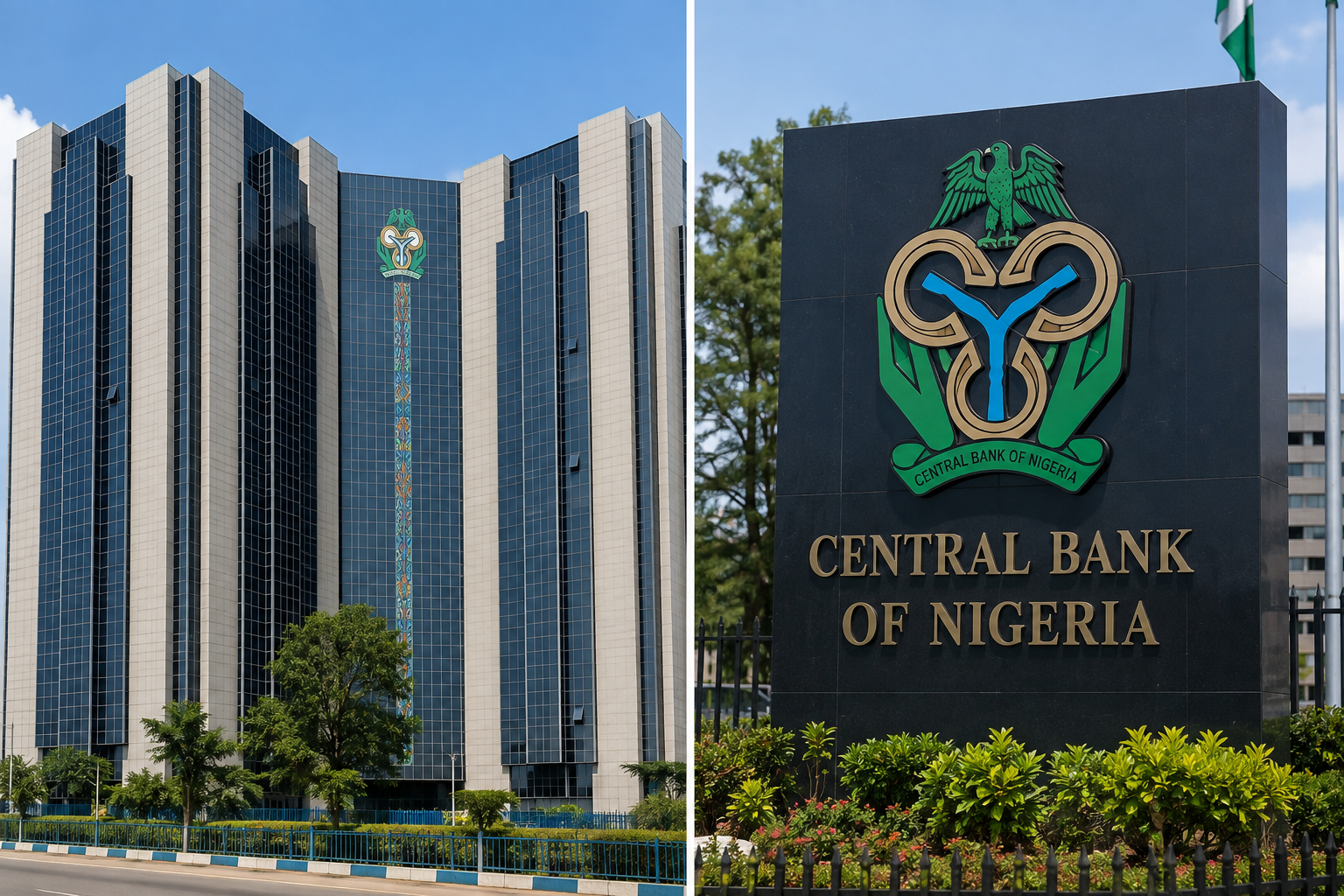
The Central Bank of Nigeria has removed the long-standing barrier preventing domestic investors from participating directly in Open Market Operations, reopening the market to a broader class of Nigerian investors. The policy, announced in a circular issued on August 12, 2026, reverses a restriction that had been in place since 2019.
Under the revised arrangement, eligible investors can now access OMO instruments in both the primary and secondary markets, although transactions must be conducted through deposit money banks. The change gives local investors a renewed opportunity to participate in the short-term government securities market.
The earlier restriction formed part of measures introduced by the CBN in 2019 to manage liquidity, reduce pressure on the foreign-exchange market and encourage banks to direct more lending toward the productive sectors of the economy.
Banks will remain responsible for processing customers’ bids and completing settlement for OMO transactions under the new framework.
“OMO participation (primary and secondary markets) shall be open to all eligible investors through Deposit Money Banks.”
The CBN’s latest decision also affects access to its Discount Window. Restrictions previously connecting access to the facility with participation in foreign-exchange transactions and primary government-security auctions have been removed.
The apex bank has simultaneously restored Tenored Repo Operations. It can now undertake repo transactions with maturities between four and 90 days, providing another mechanism for managing liquidity within the financial system.
The broader market access could increase investment opportunities for local institutions, companies and other eligible investors seeking short-term fixed-income assets. It may also provide the CBN with a wider range of tools for influencing liquidity conditions and implementing monetary policy.
Despite the liberalisation, the central bank will continue to determine when OMO securities are offered and how much is issued. Decisions on the volume, maturity and frequency of auctions will remain dependent on prevailing liquidity conditions and the bank’s monetary-policy objectives.
The existing single-bid auction system has also been retained under the revised arrangement, meaning the reopening does not remove the CBN’s control over the conduct of OMO transactions.
The changes became effective immediately, with deposit money banks, authorised dealers and other relevant market participants instructed to operate under the new guidelines.
The policy represents a significant adjustment to Nigeria’s money-market framework. After years of restricted domestic participation, the CBN is once again allowing eligible Nigerian investors to gain access to OMO transactions, while retaining its authority to use the market as a tool for liquidity and monetary management.