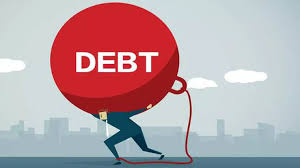
Nigeria paid almost $1 billion to service its external debt in the first two months of 2026, highlighting the growing pressure of foreign loan obligations on the country’s finances despite improving foreign exchange earnings.
Latest figures from the Central Bank of Nigeria (CBN) show that $920.18 million was spent on servicing external debt between January and February 2026. The amount represents a sharp increase from the $540.67 million recorded during the same period in 2025, reflecting a rise of about 70 per cent.
The CBN data indicates that debt servicing remained one of the largest foreign exchange obligations during the period, accounting for a significant share of the country’s international payments as the government continued to meet repayment commitments to external creditors.
A breakdown of the figures shows that Nigeria disbursed about $540.49 million for foreign debt servicing in January, while an additional $379.69 million was paid in February, bringing the cumulative total to $920.18 million.
The increase in debt service payments comes as the Federal Government continues to rely on external and domestic borrowing to finance infrastructure projects, budget deficits and other development programmes. Analysts say the trend underscores the rising cost of debt obligations, even as the country seeks to improve revenue generation and expand its export base.
Despite the higher debt repayments, Nigeria’s external reserves remained relatively stable during the review period, supported by improved crude oil production, stronger non-oil export earnings and ongoing foreign exchange reforms introduced by the monetary authorities.
Economic experts have repeatedly stressed the need for increased government revenue to ensure that rising debt servicing costs do not reduce funding available for critical sectors such as education, healthcare, infrastructure and social development. They also argue that improving tax collection, boosting non-oil exports and encouraging private sector investment are essential to reducing dependence on borrowing.
The latest debt servicing figures come amid continued efforts by the Federal Government to manage its debt portfolio through a combination of domestic and external financing while maintaining fiscal sustainability. Recent data also showed increased borrowing from the domestic bond market as authorities seek to meet funding requirements for the 2026 budget.
With global borrowing costs still elevated and exchange rate movements affecting repayment obligations, analysts believe prudent debt management and stronger revenue mobilisation will remain crucial to safeguarding Nigeria’s fiscal position in the months ahead.