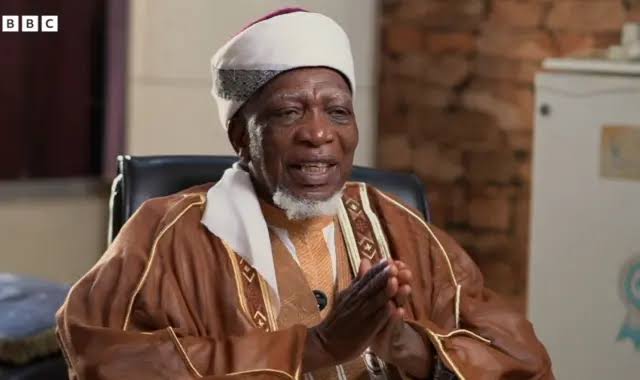
The debate over Sheikh Sani Yahaya Jingir’s position on the 2027 presidential election has intensified, with the National Human Rights Commission (NHRC), Christian bodies and former Kano State governor Rabiu Kwankwaso expressing concern over what they consider divisive religious rhetoric. Their reactions followed the cleric’s renewed support for a Muslim-Muslim presidential ticket.
Jingir, a prominent Islamic scholar and leading figure in Jama’atu Izalatil Bid’ah Wa Iqamatis Sunnah, has defended his position on the ticket while encouraging Muslims to participate actively in the 2027 electoral process. His comments have reignited questions about the place of religion in Nigeria’s political competition.
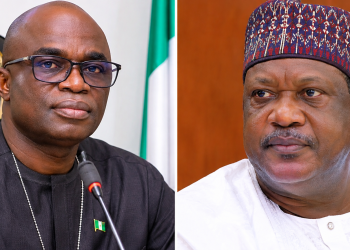
The NHRC has urged relevant authorities to assess Jingir’s remarks and establish whether they cross the line into hate speech or incitement. The commission warned that statements from influential public figures can heighten tensions in a country where religious sensitivities remain a major political issue.
It also called on law-enforcement agencies to determine whether any offence was committed, stressing that political and religious influence should not shield anyone from accountability where public statements threaten peaceful coexistence.
The Christian Association of Nigeria (CAN) and the Pentecostal Fellowship of Nigeria (PFN) also criticised the emphasis on religious identity in political mobilisation. Both organisations urged Nigerians to assess political candidates on their competence, character and ability to govern rather than their faith.
“The danger lies in turning political choices into a religious battle.”
The Christian groups maintained that Nigeria’s multi-faith character makes responsible public communication particularly important. They cautioned religious leaders against language that could encourage voters to view elections as a contest between competing faiths.
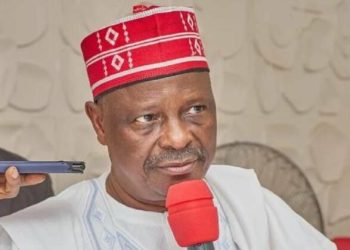
Kwankwaso, another prominent political figure from Kano, rejected Jingir’s comments and said they did not represent the position of the state’s residents. He argued that political disagreements should be handled in a way that preserves national unity.
“The good people of Kano do not endorse or support these divisive remarks.”
Kwankwaso’s response comes as political alignments for 2027 begin to develop. Potential candidates and political groups are seeking support across regional, ethnic and religious boundaries, making discussions around the composition of presidential tickets increasingly sensitive.
Jingir, meanwhile, has consistently argued in favour of Muslim-Muslim political arrangements. His latest comments therefore represent a continuation of a position he has expressed previously rather than a new political stance.
The disagreement has now expanded into a broader debate about whether religion should play a decisive role in Nigeria’s next presidential contest. While supporters argue that voters have the constitutional freedom to support candidates of any religious combination, opponents fear excessive religious mobilisation could worsen existing divisions.
The NHRC and Christian organisations have consequently urged political and religious actors to exercise restraint as the country moves towards 2027. They want political campaigns to concentrate on issues of governance and development rather than religious identity.
Jingir’s position, however, is likely to remain part of the wider political conversation as parties and prospective candidates build their alliances. The controversy demonstrates how closely questions of faith and politics remain intertwined in Nigeria, particularly as the next presidential election draws nearer.