BERN, Switzerland
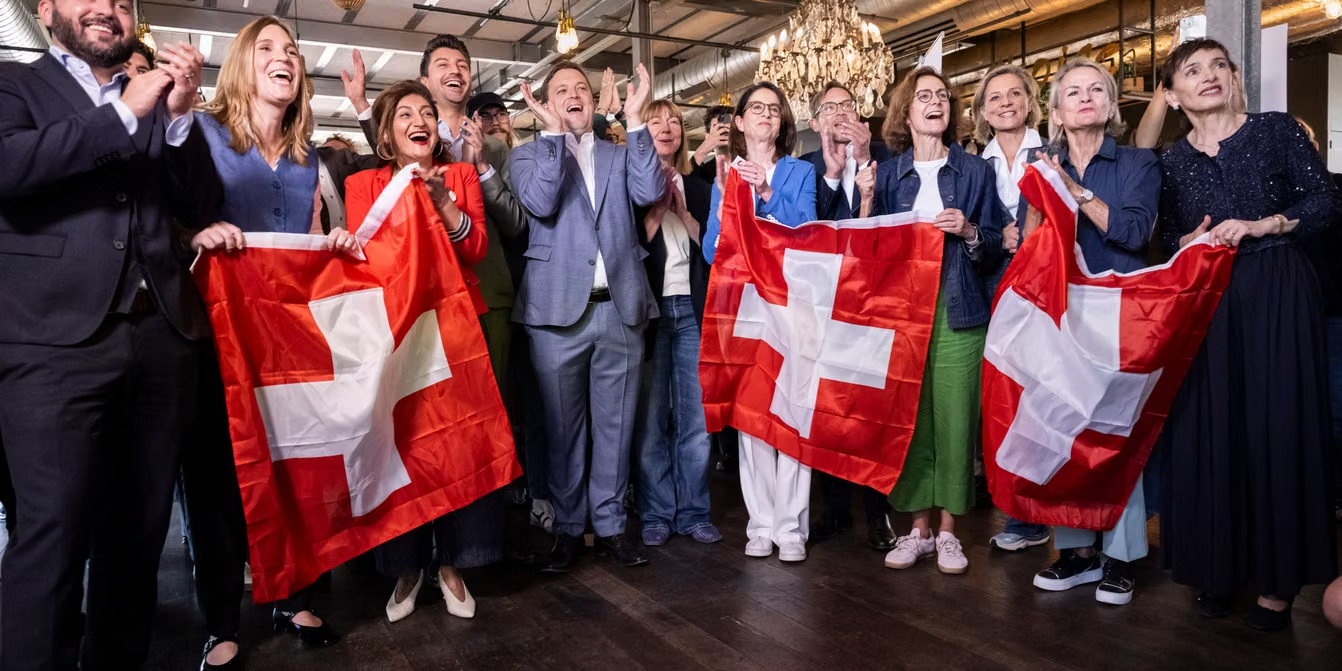
Swiss voters have overwhelmingly rejected a proposal to impose stricter constitutional limits on the country’s longstanding neutrality, preserving the government’s ability to cooperate with international security partners and participate in sanctions against countries involved in armed conflicts.
Official provisional final results showed that 70.15 percent voted against the initiative, while 29.85 percent supported it. The proposal was rejected in all 26 Swiss cantons, with voter turnout reaching 47.06 percent.
The referendum sought to introduce a more restrictive definition of neutrality into Switzerland’s constitution, potentially limiting cooperation with NATO and preventing the country from adopting sanctions against warring states outside measures authorised by the United Nations. The initiative was organised by Pro Switzerland, a national sovereignty campaign group, and supported by the right-wing Swiss People’s Party (SVP).
Supporters argued that Switzerland’s decision to adopt European Union sanctions against Russia following its 2022 invasion of Ukraine had weakened the country’s traditional neutrality. They maintained that stronger constitutional safeguards were necessary to protect its independence and credibility as an international mediator.
However, the Swiss government, parliament and most major political parties opposed the proposal, arguing that it would restrict the country’s ability to respond to international crises and undermine security cooperation.
Foreign Minister Ignazio Cassis had warned that Switzerland needed sufficient flexibility to protect its national interests while remaining outside military alliances.
Switzerland’s neutrality was internationally recognised in 1815 and has been embedded in its constitutional framework since 1848. Although the country is not a NATO member, it has maintained security cooperation with the alliance for approximately three decades.
Following Russia’s full-scale invasion of Ukraine, Switzerland largely adopted EU sanctions against Moscow, prompting debate over whether economic restrictions were compatible with its neutral status.
Under the rejected initiative, Switzerland would have been prohibited from cooperating with military alliances unless it faced an attack or an imminent military threat.
The proposal would also have restricted sanctions against countries involved in armed conflicts, with exceptions for United Nations measures and actions preventing sanctions circumvention. The SVP accepted Sunday’s result and indicated that it had no immediate plans for further action.
In a separate referendum, voters rejected a proposal to strengthen domestic food production and promote sustainable agriculture, with 72.52 percent voting against it. The neutrality vote leaves Switzerland’s existing constitutional and foreign policy framework unchanged, allowing the government to continue international security cooperation and participate in sanctions while maintaining its longstanding policy of military neutrality.
I can also provide updates on Switzerland’s subsequent decisions concerning Russia sanctions and NATO cooperation.