The Presidency has asked former Vice-President Atiku Abubakar to provide clearer details about the targeted petrol subsidy he says he would introduce if elected president in 2027, including its expected cost, beneficiaries, funding arrangements and conditions for ending the policy.
The latest challenge was made by Special Adviser to President Bola Tinubu on Information and Strategy, Bayo Onanuga, in a statement issued on Wednesday.
The intervention followed renewed debate over Atiku’s position on petrol subsidy. The Presidency said statements from the former vice-president and members of his media team had offered differing explanations of how the proposed policy would operate.
Atiku, the African Democratic Congress presidential candidate, has insisted that he wants to restore a targeted subsidy rather than return to the previous system that supported imported petrol. His earlier proposal focused on directing government support towards domestic refining and production.
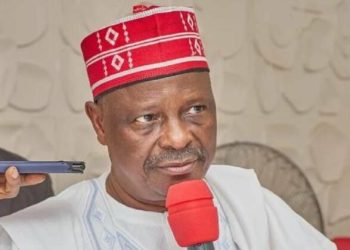
On Tuesday, while receiving the Osun State leadership of the ADC in Abuja, Atiku said his position on subsidy had not changed. He also distanced himself from comments by his media aide, Paul Ibe, who had suggested that the subsidy would eventually be phased out after economic conditions improved.
“On the question of subsidy, my position has not changed and will not change: I will restore it!”
Atiku has argued that higher petrol prices have contributed to increased transportation and food costs, putting additional pressure on households. He said his proposed intervention would be aimed at easing that burden and restoring purchasing power.
The Presidency, however, has questioned whether the proposal is sufficiently defined to be considered a workable economic policy. Onanuga said Nigerians should know how much the programme would cost, who would qualify for assistance and how long it would remain in place.
The disagreement has brought fuel subsidy back into the centre of the 2027 political debate. While Atiku is presenting targeted government support as a way of reducing pressure on consumers, the Tinubu administration continues to defend subsidy removal as part of its broader economic reforms.