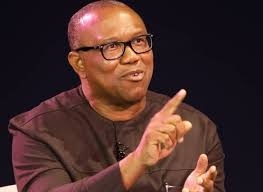
Peter Obi has said a government led by him would bring back petroleum subsidy after first tackling corruption, putting the issue back at the centre of his 2027 campaign message. He spoke on Monday at a town hall meeting for the Obi-Kwankwaso ticket in Sokoto.
The Nigeria Democratic Congress presidential candidate described corruption as a major problem facing the country. He said an administration under his leadership would target corrupt practices across government before restoring the subsidy arrangement.
“By removing the corruption, I assure you that we will bring back subsidy.”
Obi also called on Nigerians to support NDC candidates in the 2027 elections. He presented the task of addressing Nigeria’s problems as a collective responsibility and said the party would pursue what he described as a politics of care and service.
The latest statement differs from remarks Obi made at the Nigerian Bar Association’s annual conference in Port Harcourt on August 24. At that event, he maintained that subsidy removal should not be reversed simply because the proceeds had allegedly been poorly managed.
“Mismanagement of the proceeds shouldn’t be the reason for not removing it.”
Speaking in Port Harcourt, Obi said the savings from subsidy removal should have been directed towards productive areas while Nigerians were given alternatives to cushion the impact of higher petrol costs. He also criticised the management of resources recovered from the policy.
The debate within the NDC had already shifted before Obi’s Sokoto remarks. On September 22, the party’s vice-presidential candidate, Rabiu Kwankwaso, said an NDC administration would introduce subsidy in a different form, with increased investment in domestic refineries among the measures he discussed.
Kwankwaso made the comments during an interview while discussing petrol pricing and the effect of subsidy removal. He said the proposed approach would seek to increase domestic fuel production and make petrol available at what he described as a reasonable price.
Two days later, reports said the NDC and Obi’s camp had backed Kwankwaso’s proposal. That development placed the party’s position closer to a model in which some form of subsidy could return, although the proposed mechanism was presented as different from the previous arrangement.
At the Sokoto meeting, Obi also outlined priorities beyond fuel policy. He said education would rank behind only unity and security, while promising to use national resources to improve security, education and other sectors of the economy.
He further promised to connect state capitals with railway lines, saying the project would facilitate economic activity and development. Kwankwaso, who accompanied him, said the delegation was in Sokoto to engage residents and seek support ahead of the 2027 election.
Kwankwaso also pointed to insecurity in the North-West, particularly banditry and kidnapping. He said the proposed administration was committed to addressing those challenges, while the Sokoto engagement gave the party an opportunity to present its broader plans to residents.
Obi’s latest comments now place the proposed return of subsidy alongside his stated plans on corruption, education, security and infrastructure. His August comments supported keeping subsidy removed, while his September statement linked its possible return to first tackling corruption.