SOKOTO, Nigeria
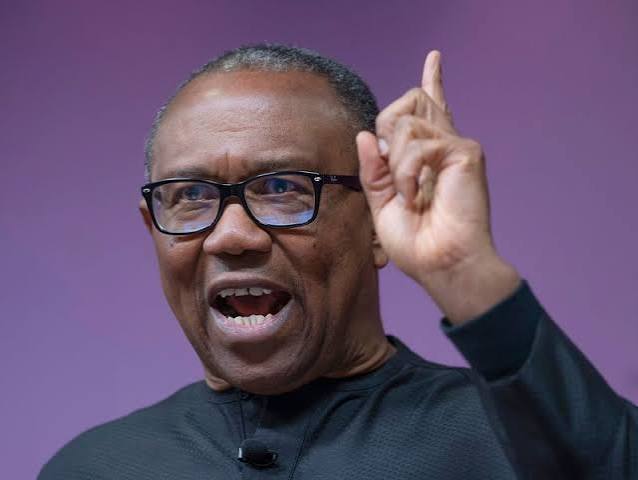
Nigeria Democratic Congress presidential candidate Peter Obi has pledged to restore petroleum subsidy if elected president in 2027, saying his administration would first eliminate corruption and leakages he believes distorted the previous subsidy system.
Obi made the declaration on Monday during a town hall meeting for the Obi-Kwankwaso presidential ticket in Sokoto, placing fuel affordability and corruption at the centre of his economic message ahead of the general elections.
“People are talking about subsidy but what is all about it is corruption. By removing the corruption, I assure you that we will bring back subsidy,” Obi told the gathering.
The pledge represents a notable shift from Obi’s position as recently as August, when he publicly supported subsidy removal and argued that poor management of the savings was not sufficient reason to reverse the policy. He had previously maintained that subsidy should have been removed gradually and in a more organised manner, with savings directed towards healthcare, transportation and other public services.
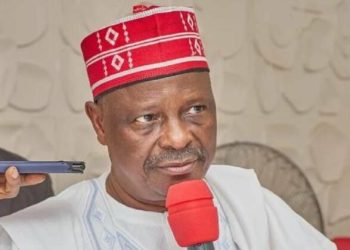
His running mate, Rabiu Kwankwaso, had also recently said an Obi administration would reintroduce subsidy “in our own way,” explaining that increased domestic refining and reforms across the petroleum industry could help lower fuel prices. The NDC subsequently backed that position.
President Bola Tinubu abolished the longstanding petrol subsidy shortly after taking office in May 2023. His administration argues that the policy had become fiscally unsustainable and vulnerable to corruption and smuggling. In May 2026, Tinubu maintained that removing it helped prevent a deeper fiscal crisis.
The removal, however, was followed by steep increases in petrol and transportation costs, making fuel policy a major issue heading into the 2027 campaign.
Beyond subsidy, Obi told supporters that combating corruption would be a central priority of his administration. He also pledged greater investment in security and education and proposed connecting state capitals through rail infrastructure to stimulate economic activity.
Kwankwaso, meanwhile, said the ticket was particularly concerned about insecurity in the North-West, including banditry and kidnapping.
With fuel prices and living costs remaining prominent concerns for households, competing approaches to petroleum pricing are emerging as a significant policy dividing line in the 2027 presidential race.