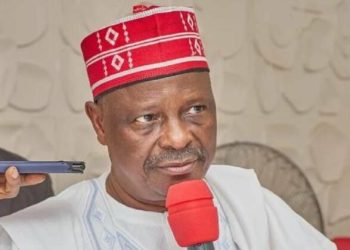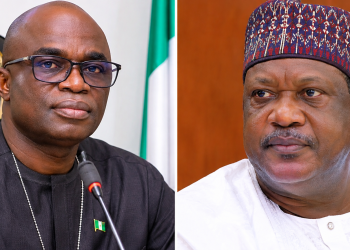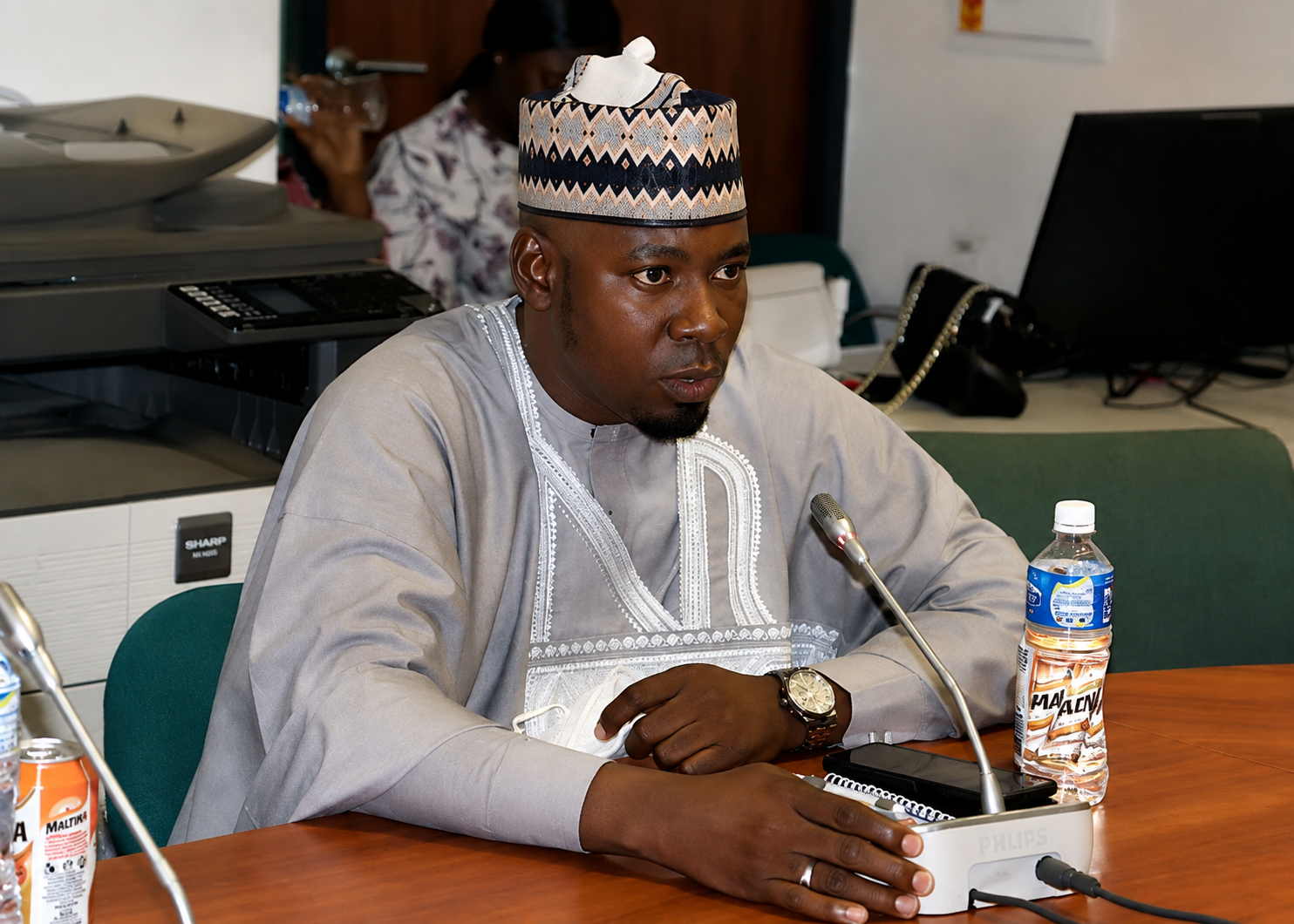
BIRNIN KEBBI — A Kebbi State chieftain of the All Progressives Congress (APC), Aminullah Mustapha, has opposed African Democratic Congress (ADC) presidential candidate Atiku Abubakar’s proposal to bring back petrol subsidies if he wins the 2027 presidential election. Mustapha argued that restoring the policy could reopen problems he associated with the previous subsidy regime.
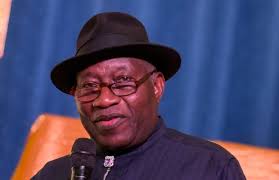
The former vice-president has said that a government led by him would reverse the removal of petrol subsidy. Atiku has also questioned the use of funds generated since the policy was discontinued and maintained that Nigerians have not received adequate benefits from the resulting savings.
Mustapha, a petroleum marketer, raised concerns about how subsidy payments were handled before the policy was abolished. He alleged that money was sometimes paid to oil marketers without the petroleum products supposedly covered by those payments reaching the intended destinations.
“During the subsidy regime, a lot of funds allocated to oil marketers were not going to the designated areas.”
He further alleged that some subsidised petroleum products were transported across Nigeria’s borders to Niger Republic and Benin Republic, instead of being supplied to the domestic market. According to him, such practices undermined the purpose of using public funds to support fuel consumption in Nigeria.
The APC figure also made allegations concerning petroleum depot operators. He claimed that some received payments for imported products that were subsequently not supplied into the country, citing this as another weakness of the former arrangement.
Mustapha commended President Bola Ahmed Tinubu for ending the petrol subsidy in 2023. He described the decision as an important step towards addressing what he characterised as corruption and inefficiencies associated with the system.
The controversy has developed into a broader political argument ahead of the 2027 presidential election. Atiku supports a return to subsidy, while members of the Kebbi ADC have defended the proposal, arguing that a properly managed and transparent arrangement could help lower transportation expenses and the prices of essential goods.
The competing positions have placed petrol subsidy among the emerging economic issues in the 2027 political contest, with opposing camps divided over whether Nigeria should maintain the current policy or reconsider subsidy payments.