BANJUL, The Gambia
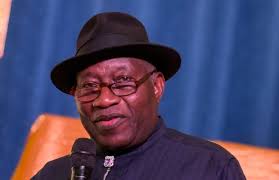
Veteran Gambian opposition leader Ousainou Darboe has formally entered the December 5 presidential election, submitting his nomination papers in what he says will be his final attempt to become president of the West African nation. The 78-year-old leader of the United Democratic Party (UDP) presented his documents to Independent Electoral Commission (IEC) Chairman Joseph Colley on Monday, November 9, accompanied by thousands of enthusiastic supporters dressed in the party’s traditional yellow colours.
Darboe submitted the required documentation, including proof of citizenship, tax clearance certificates, an asset declaration, educational records, 5,000 supporting signatures and a deposit of one million Gambian dalasis. His candidacy marks his sixth presidential attempt, following unsuccessful campaigns in 1996, 2001, 2006, 2011 and 2021.
Addressing journalists after submitting his nomination papers, Darboe promised to serve only one presidential term if elected, pledging sweeping constitutional reforms, economic transformation and stronger measures against corruption. He identified security sector restructuring, civil service reforms and improved economic opportunities as priorities, arguing that meaningful institutional changes could strengthen democratic governance and restore public confidence. The opposition politician also called for peaceful campaigns, urging supporters and rival political parties to avoid actions that could destabilise the country.
Darboe faces incumbent President Adama Barrow, who submitted his own nomination papers on Tuesday and is seeking a third term under the ruling National People’s Party (NPP). The two politicians were previously political allies before their relationship deteriorated in 2019. Darboe, a prominent human rights lawyer, was imprisoned under former President Yahya Jammeh in 2016 after participating in opposition protests.
Following Jammeh’s electoral defeat, Darboe served as Foreign Minister and later Vice-President under Barrow before their political differences led to his removal from government. Their renewed rivalry comes amid growing debate over presidential term limits, corruption, youth unemployment and migration. Barrow’s third-term ambition has attracted criticism from opposition groups, particularly after earlier efforts to introduce constitutional term limits failed.
Meanwhile, Darboe has promised to tackle economic hardship and create opportunities for young Gambians seeking better prospects abroad. Other opposition figures are also seeking the presidency, reflecting an increasingly divided political landscape. The electoral commission has scheduled the nomination process to conclude on November 14, with successful candidates expected to receive confirmation by November 16.
Although Darboe has submitted his documents, his nomination remains subject to final electoral approval. With election day approaching, Gambians face another important political contest that will test competing promises of continuity, institutional reform and economic change.