TIRANA, ALBANIA
Violent anti-government demonstrations rocked Albania’s capital for a sixth consecutive day on Sunday, October 18, as protesters demanding Prime Minister Edi Rama’s resignation clashed with security forces, leaving hundreds injured since the unrest began. Thousands of demonstrators, predominantly students and young people, gathered outside the Ministry of Education, chanting slogans against the government and demanding urgent reforms to education, employment and public accountability.
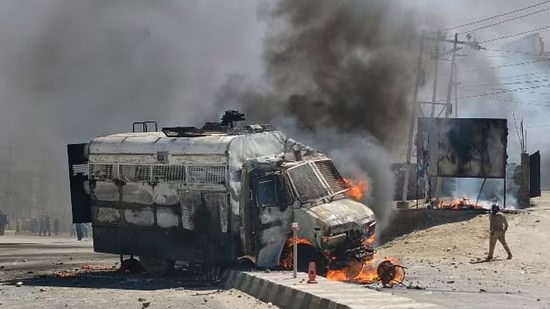
Tensions escalated when protesters hurled stones, fireworks and petrol bombs at security personnel, prompting riot police to deploy tear gas, water cannons and rubber bullets. Several government buildings, businesses and vehicles have been damaged during the unrest, with fires reported across central Tirana.
Albania’s Health Ministry reported 272 injuries since demonstrations intensified on Tuesday, including 169 police officers. Sunday’s figures included 65 injured people, with 12 requiring hospitalisation. Police authorities said 388 individuals had been charged with criminal offences linked to the demonstrations, while investigations continued into allegations of excessive force by security personnel.
Despite mounting pressure, Rama, who has governed Albania since 2013 and is serving his fourth term, rejected demands to step down. Speaking during a live social media address, the prime minister insisted that the protests threatened Albania’s ambitions to join the European Union rather than his government’s survival. He accused unspecified foreign interests of encouraging unrest, although he presented no publicly verified evidence establishing foreign involvement.
Rama nevertheless offered to engage students in discussions about university conditions and education costs while warning that those responsible for destruction would face legal consequences. The demonstrations follow months of growing dissatisfaction over corruption allegations, unemployment, high tuition fees and deteriorating educational facilities. Earlier protests were driven partly by opposition to a controversial luxury tourism development associated with Jared Kushner, the son-in-law of US President Donald Trump. The movement has since expanded into broader demands for political accountability and economic opportunities.
The European Commission condemned the violence while reaffirming citizens’ right to peaceful protest, as Albania continues pursuing its ambition of joining the European Union by 2030. Rama also cancelled a planned meeting with Austrian Chancellor Christian Stocker amid the escalating political crisis. With protesters refusing to abandon their demands and the government ruling out resignation, uncertainty continues to grip Tirana. The coming days could prove crucial in determining whether dialogue can ease tensions or further confrontations deepen Albania’s political crisis.