ADEN, Yemen
Yemen’s health minister has warned that medical services could collapse completely in parts of the war-torn country as dwindling international funding, renewed fighting and mass displacement push an already fragile healthcare system towards breaking point.
Minister of Public Health and Population Qasim Buhaibeh said hospitals and clinics were struggling with severe shortages of medicines, medical supplies and fuel, while rising patient numbers threatened to overwhelm facilities still operating.
Speaking to Al Jazeera on Sunday, Buhaibeh warned that the health sector could no longer absorb additional waves of displaced people without urgent financial and operational support. He identified emergency treatment, maternal and child healthcare, vaccination, nutrition programmes, dialysis and cancer treatment as services particularly vulnerable to disruption.
According to the minister, updated health data through June shows that 19.3 million Yemenis require medical assistance, yet international funding has reached only 17 percent of the amount needed.
He estimated that fewer than half of the country’s health facilities may now be operating at full capacity, a deterioration from the World Health Organization’s earlier assessment of approximately 60 percent.
The warning comes as renewed fighting between Houthi forces and Yemen’s internationally recognised government has triggered widespread displacement. Buhaibeh said 134,550 people were displaced between June and September 22, with Taiz, Lahij and Aden absorbing significant numbers of people fleeing violence.
The influx has increased pressure on hospitals already struggling to provide routine care.
Meanwhile, the World Health Organization reported 3,672 casualties, including 674 deaths and 2,998 injuries, between August 6 and September 18. The crisis is being compounded by infectious disease outbreaks and widespread malnutrition.
Buhaibeh warned that cholera, measles and polio remain serious threats, particularly in overcrowded displacement settlements where sanitation, vaccination and healthcare access are inadequate.
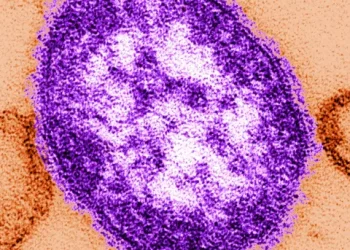
He said more than 27,000 confirmed measles cases were recorded in 2025, while approximately half of children under five suffer from chronic malnutrition.
The minister also revealed that health data reporting from Houthi-controlled areas has been suspended for nearly a year, preventing authorities from obtaining a complete national picture of disease transmission.
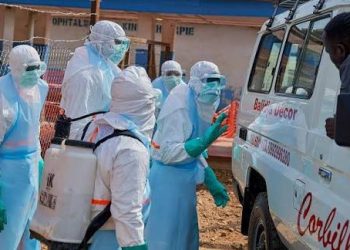
The WHO has intensified emergency operations, delivering medical supplies, supporting surgical services and strengthening ambulance and referral systems.
However, damaged infrastructure, disrupted supply routes and shortages of essential medicines continue to obstruct humanitarian operations.
Health officials warn that further displacement could force additional facilities to close, leaving vulnerable communities without access to lifesaving treatment.
The latest warning underscores the urgency of sustained international funding, secure humanitarian access and renewed efforts to end the fighting before Yemen’s healthcare emergency deteriorates further.