BUNIA, DR CONGO
The Ebola outbreak in the Democratic Republic of Congo has claimed more than 5,000 lives, marking a devastating milestone as health authorities struggle to contain infections spreading beyond the country’s borders. Latest figures released by Congo’s Ministry of Health on October 31 confirmed 5,026 deaths from 10,351 infections, representing a fatality rate of nearly 50 percent.
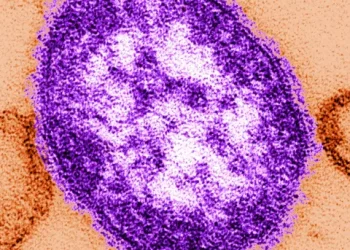
The outbreak, declared in May and caused by the Bundibugyo Ebola virus, is now the second-deadliest in recorded history, surpassed only by the 2014–2016 West African epidemic that killed more than 11,000 people. According to health authorities, the virus has spread across 67 health zones in eight Congolese provinces, with Ituri and North Kivu accounting for the overwhelming majority of infections and deaths.
The World Health Organization (WHO) has expressed serious concern over delayed detection, inadequate treatment facilities and growing community resistance to medical interventions. WHO official Dr. Patrick Otim described the rising death toll as a devastating human tragedy, stressing that entire families and communities have been affected. Health experts warn that approximately 80 percent of newly identified infections fall outside established contact-tracing networks, making it increasingly difficult to identify transmission chains.
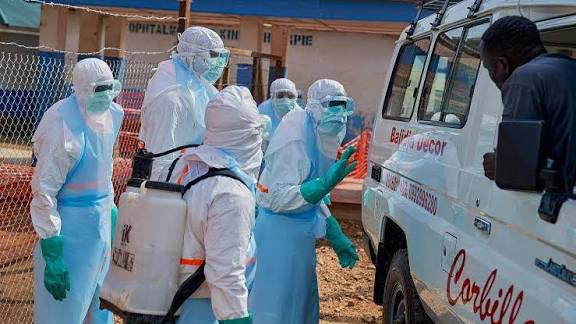
Even more concerning, about one-third of recorded deaths occurred outside treatment centres, denying patients access to potentially life-saving medical care. Containment efforts have also been disrupted by armed conflict, attacks on healthcare workers, misinformation and shortages of essential medical supplies. In eastern Congo, a nurse was recently killed while responding to an Ebola alert, highlighting the dangers confronting frontline personnel.
Meanwhile, healthcare workers in several affected communities have suspended operations over unpaid salaries, further weakening an already overstretched response. The outbreak has also crossed international borders, with infections confirmed in Kenya, Nigeria and Uganda.
The geographical spread has raised concerns about further transmission across Africa, prompting governments to strengthen border surveillance, health screening and quarantine measures. Unlike some other Ebola variants, the Bundibugyo virus currently has no approved vaccine or virus-specific treatment, although supportive medical care can improve patients’ chances of survival.
Health officials confirmed that 2,788 people have recovered. International health organisations are calling for urgent funding, stronger community engagement, improved contact tracing and greater protection for medical personnel. As infections continue rising, the immediate challenge remains preventing further deaths while ensuring the outbreak does not spread into additional countries.