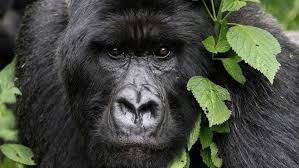
Conservation scientists are increasingly using environmental DNA (eDNA) techniques to strengthen efforts to protect the endangered mountain gorilla populations in Rwanda, offering a less invasive and more efficient way to monitor wildlife health and biodiversity.
In the forests of Rwanda, researchers working around the Volcanoes region—home to one of the last remaining populations of mountain gorilla—are collecting genetic material left behind in the environment, such as from soil, water, and vegetation. This approach allows scientists to detect the presence of species and pathogens without direct contact or disturbance to the animals.
The method, known as environmental DNA (eDNA), is being used to complement traditional field tracking techniques, which often require extensive human observation and can be limited by difficult terrain and the gorillas’ dense forest habitat. By analysing trace genetic fragments, researchers can gather data on population distribution, diet, movement patterns, and potential disease threats.
Conservation experts say the technology is particularly valuable in monitoring health risks, including infectious diseases that could spread between humans and primates, given the close proximity between wildlife tourism activities and gorilla habitats. Early detection through eDNA could help authorities respond more quickly to emerging threats and strengthen preventive measures.
The initiative is part of broader conservation efforts aimed at safeguarding one of the world’s most critically endangered primates, whose survival depends heavily on coordinated protection programs, habitat preservation, and regulated ecotourism.
Researchers also note that eDNA offers a cost-effective and scalable solution for long-term monitoring, especially in remote or hard-to-access regions where traditional surveying methods are challenging. The data collected can help inform policy decisions and guide conservation strategies more precisely.
While the technology is still evolving, scientists believe it represents a significant advancement in wildlife protection. They argue that integrating genetic monitoring tools with on-the-ground conservation work could improve understanding of ecosystem health and enhance efforts to secure the future of mountain gorillas in Rwanda’s protected forests.