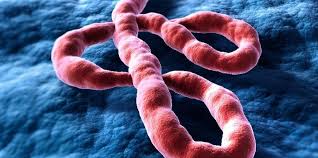
The World Health Organization (WHO) and the Africa Centres for Disease Control and Prevention (Africa CDC) have jointly adopted a coordinated response plan aimed at strengthening efforts to contain Ebola outbreaks, as the Democratic Republic of Congo (DR Congo) intensifies hygiene and prevention measures across affected communities.
Health authorities said the joint strategy is designed to improve early detection, enhance rapid response capacity, and strengthen coordination among regional and international partners in managing Ebola risks. The plan also focuses on boosting surveillance systems, improving laboratory testing, and expanding community engagement to curb transmission.
The development comes as DR Congo, one of the countries most affected by recurring Ebola outbreaks, steps up public health interventions, including stricter hygiene protocols in high-risk areas. Authorities have intensified handwashing campaigns, safe burial practices, and infection prevention measures in health facilities to reduce the spread of the virus.
According to health officials, the enhanced hygiene measures are being implemented in coordination with local health workers and community leaders to ensure compliance and improve awareness among residents in vulnerable regions. Border and movement monitoring have also been reinforced in areas identified as potential transmission hotspots.
The WHO and Africa CDC emphasized that the joint response framework aims to ensure a unified regional approach to outbreak control, particularly in countries with cross-border health risks. The collaboration also seeks to ensure faster deployment of emergency medical teams, essential supplies, and vaccines where needed.
Public health experts noted that rapid containment of Ebola depends heavily on early identification of cases, isolation of infected individuals, and effective community participation in prevention efforts. They stressed that misinformation and delays in reporting symptoms remain major challenges in controlling outbreaks.
DR Congo health authorities reiterated their commitment to working closely with international partners to strengthen preparedness and reduce the risk of wider spread. They also urged citizens to adhere strictly to hygiene guidelines and report suspected cases promptly to health officials.
The renewed response effort reflects ongoing concerns about the persistence of Ebola in parts of Central and West Africa, where weak health infrastructure and mobility across borders continue to pose risks of renewed outbreaks.
Officials from WHO and Africa CDC said the newly adopted plan represents a critical step toward improving regional readiness and ensuring a faster, more coordinated response to future Ebola emergencies, while reinforcing long-term health security across the continent.