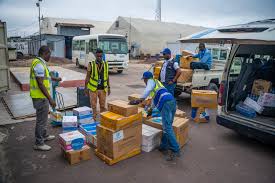
The World Food Programme has warned that worsening food insecurity and declining humanitarian funding are undermining efforts to contain the Ebola outbreak in Democratic Republic of the Congo.
In a statement released on Thursday, the UN agency said shortages of food and reduced aid support are making it harder for health workers and humanitarian teams to reach vulnerable communities affected by the virus.
According to the WFP, many families in outbreak-hit areas are struggling to access basic food supplies due to ongoing conflict, displacement and economic hardship, forcing some residents to prioritize survival over compliance with health measures.
The agency noted that funding cuts have disrupted critical operations, including food distribution, logistics and support for frontline response workers.
“Food assistance is essential to ensuring communities cooperate with public health measures,” the WFP said, warning that hunger and poverty could worsen the spread of the disease if urgent support is not provided.
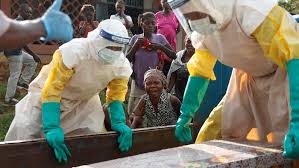
Health officials in DR Congo have continued efforts to trace contacts, isolate cases and expand treatment services as authorities battle to contain the outbreak.
However, insecurity in eastern parts of the country has complicated response operations, with aid agencies facing difficulties accessing some affected communities.
Humanitarian groups say displaced families and conflict-affected populations remain particularly vulnerable to both disease outbreaks and food shortages.
The WFP called on international donors to increase financial support for emergency operations in DR Congo, stressing that the Ebola response cannot succeed without addressing the humanitarian conditions facing local populations.
Medical experts have repeatedly warned that public trust and community cooperation are critical in controlling Ebola outbreaks, especially in areas already affected by violence and instability.
The latest warning comes as international health agencies continue monitoring the outbreak amid fears that reduced funding for humanitarian operations across Africa could weaken emergency response efforts.
Authorities in DR Congo, alongside international partners, have urged residents to follow public health guidelines while response teams continue surveillance and treatment activities in affected regions.