A report originating from the United States Commission on International Religious Freedomn has alleged that approximately 30,000 Fulani militants are contributing significantly to rising insecurity across parts of Nigeria, particularly in rural and farming communities affected by violent attacks and displacement.
The report, which has generated renewed debate on the drivers of Nigeria’s security crisis, links the activities of armed groups identified as Fulani militants to ongoing conflicts involving herders and farming populations. It claims that the scale of the network and its operations have made it a major factor in instability in several regions of the country.
According to the findings, these armed elements are said to be involved in attacks that have resulted in loss of lives, destruction of property, and widespread displacement of civilians. The report further suggests that the situation has exacerbated tensions over land use, grazing routes, and resource competition, particularly in Nigeria’s Middle Belt and northern regions.
While the document attributes a significant portion of insecurity to these groups, it also places the broader crisis within a complex mix of factors, including weak governance structures, limited security presence in rural areas, and long-standing communal disputes.
The claims have sparked varied reactions, with some observers arguing that the report highlights an urgent security challenge requiring coordinated military and policy responses. Others caution that such characterisations risk oversimplifying Nigeria’s multifaceted security landscape and could inflame ethnic or communal sensitivities if not carefully contextualised.
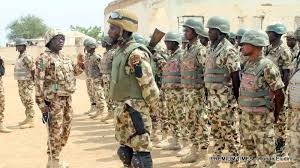
Authorities in Nigeria have consistently maintained that insecurity in the country is driven by multiple armed actors, including bandit groups, insurgents, and criminal networks operating across different regions. Government officials have also emphasised ongoing military operations aimed at curbing violence and restoring stability.
The United States report has not yet been independently verified in full detail by Nigerian authorities, and officials have not issued a comprehensive response specifically addressing the figures cited. However, it has added to ongoing international attention on Nigeria’s security situation and the need for sustained efforts to address underlying causes of violence and displacement.