ABUJA, Nigeria
The Nigeria Centre for Disease Control and Prevention (NCDC) has confirmed that two individuals suspected of contracting Ebola in Adamawa State have tested negative, easing concerns about a possible spread of the deadly virus in Nigeria’s North-East.
The development follows an emergency investigation launched after the two individuals presented with symptoms suggestive of Ebola in Yola on October 30.
In an earlier statement on Saturday, the NCDC announced that both individuals had been isolated while health officials conducted laboratory investigations and began identifying people who might have been exposed.
However, in a subsequent update, NCDC Director-General, Dr. Jide Idris, confirmed that samples collected from both patients returned negative results after two rounds of laboratory testing.
Idris reassured Nigerians that no laboratory-confirmed Ebola infection had been recorded in Adamawa State.
He further clarified that the imported infection previously confirmed in the Federal Capital Territory remained Nigeria’s only confirmed Ebola case in the current outbreak.
Nigeria recorded that infection on October 20 after a 42-year-old woman who had travelled from Uganda through Ethiopia tested positive for the Bundibugyo strain of the Ebola virus.
The patient, who developed symptoms earlier in October, received treatment in Abuja before being medically evacuated to Switzerland alongside her husband on October 26.
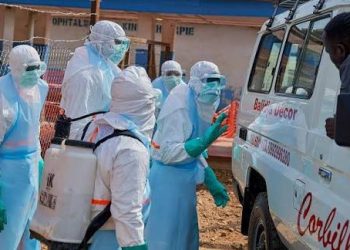
Health authorities have since intensified contact tracing, laboratory surveillance and emergency preparedness to prevent further transmission.
According to the NCDC’s latest situation report, 62 people linked to the confirmed patient have been identified and placed under monitoring.
The latest suspected cases emerged amid growing regional concern over the Ebola outbreak in the Democratic Republic of Congo, which has spread beyond its borders.
World Health Organization figures indicated that Congo had recorded 10,274 confirmed infections and 4,992 deaths as of October 28.
The NCDC urged Nigerians to remain vigilant, practise good hygiene, avoid direct contact with the bodily fluids of people suspected of having Ebola and seek medical attention promptly when symptoms develop.
Ebola symptoms can include fever, severe weakness, vomiting and diarrhoea, with infections requiring laboratory confirmation.
Health authorities stressed that suspected cases should not be mistaken for confirmed infections, warning against misinformation and unnecessary public panic.
Although the negative results provide reassurance, the NCDC says surveillance and monitoring will continue as Nigeria works to prevent additional imported infections and protect public health.