KINSHASA, DR CONGO
Fear, misinformation and growing attacks on healthcare workers are threatening efforts to contain the deadly Ebola outbreak in the Democratic Republic of Congo, where thousands have died and communities continue to resist life-saving medical interventions.
Health authorities warn that widespread distrust of treatment centres, traditional beliefs and false claims about the virus are delaying medical care, allowing infections to spread and placing frontline responders in danger.
In eastern Congo, 27-year-old Zawadi Kavira Musubao lost four family members, including her son, after relatives initially believed their illnesses were caused by poisoning and evil spirits.
The family sought help from traditional healers before eventually receiving hospital treatment.
Musubao told the Associated Press that her family feared Ebola treatment centres because they believed patients admitted there would never return alive.
Her brother, a traditional village chief, eventually persuaded surviving relatives to seek medical attention, an intervention she credits with saving their lives.
The crisis has also triggered violence against medical personnel.
On October 23, an experienced nurse was killed and another community health worker injured in Bafwasende, Tshopo province, after residents reportedly accused them of spreading Ebola through contaminated water.
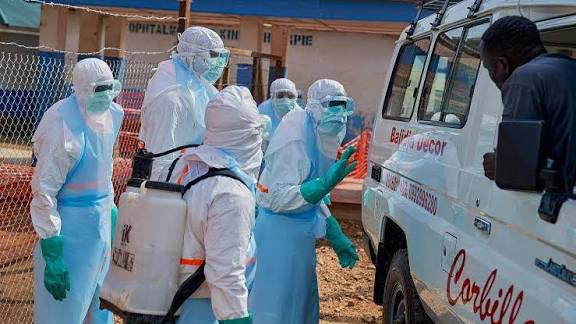
Following the attack, frightened healthcare workers sought protection inside a hospital under police guard.
The World Health Organization condemned the violence, warning that misinformation and hostility towards responders could seriously undermine containment operations.
According to WHO figures released on October 23, Congo had recorded 9,704 confirmed infections and 4,687 deaths as of October 20, across 66 health zones in eight provinces.
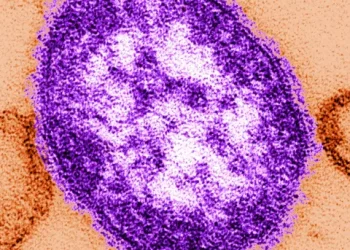
The outbreak, caused by the Bundibugyo Ebola virus, has also produced imported cases in neighbouring countries and beyond, intensifying regional surveillance.
Health officials say delayed diagnosis, inadequate medical infrastructure and insecurity are making containment increasingly difficult.
To counter dangerous rumours, WHO and Congolese authorities have expanded community education campaigns, involving traditional leaders, religious figures, social media influencers and local health volunteers.
Between May and September, response teams analysed more than 34,650 items of online content to identify misinformation and public concerns.
Authorities are also strengthening contact tracing, treatment access and community engagement to rebuild confidence in medical services.
Health experts stress that early detection, supportive treatment and cooperation with trained responders remain essential to saving lives.
As the outbreak continues, the challenge extends beyond controlling the virus itself: restoring public trust has become critical to preventing further deaths and protecting those fighting the epidemic.