

KHARTOUM, Sudan
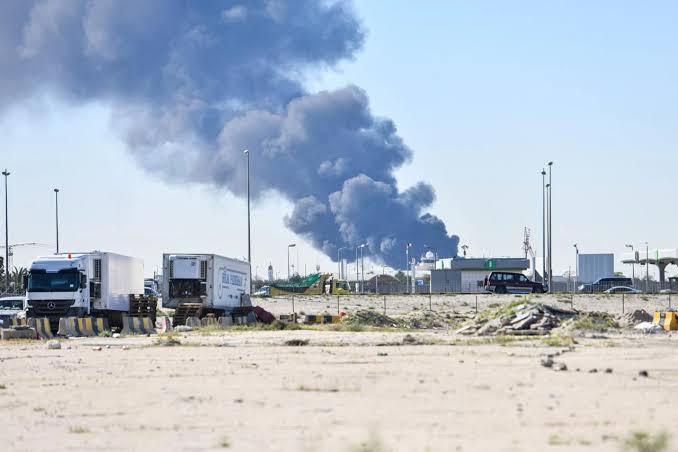
Large parts of Sudan have been plunged into darkness after coordinated drone strikes blamed on the paramilitary Rapid Support Forces (RSF) damaged five electricity substations, disrupting power supplies across four states and threatening the stability of the country’s already fragile national grid.
The attacks occurred early Monday, October 26, targeting critical electricity infrastructure in Sennar, Gedaref, White Nile and Gezira states, all controlled by the Sudanese military.
Sudan Electricity Holding Company confirmed that the strikes caused extensive damage to power equipment, forcing the southeastern electricity network offline and leaving communities struggling without essential services.
The affected facilities were located in Sinja, Al-Hawata, Al-Faw, Mashkur and Al-Junaid.
According to local reports, the first explosions occurred around 2:30 a.m. when drones struck the Al-Junaid transformer station in Gezira state, knocking the facility out of operation.
Additional attacks damaged electricity installations elsewhere, including a substation in Sennar, where security guards were reportedly injured.
The electricity company warned that the destruction could destabilise the wider national grid, potentially worsening outages beyond the affected communities.
Engineering teams have been deployed to assess the damage and begin emergency repairs, although authorities have not announced when electricity supplies will be fully restored.
The blackouts have intensified suffering among civilians already struggling with displacement, food shortages and deteriorating healthcare services.
In Gedaref, resident Babiker Youssef expressed concern that his diabetic son’s insulin could spoil without refrigeration.
Farmers in Gezira also warned that the destruction could interrupt irrigation systems and undermine efforts to resume agricultural production following years of conflict.
The latest attacks come amid escalating drone warfare between Sudan’s military and the RSF, whose struggle for power erupted into civil war in April 2023.
Both sides have increasingly targeted strategic infrastructure, including airports, fuel installations and military positions.
The United Nations has repeatedly warned that attacks on electricity facilities threaten healthcare, water supplies and other essential services for millions of vulnerable civilians.
More than 300 people were reportedly killed in drone strikes during the first three weeks of October alone, according to United Nations figures.
The RSF had not publicly responded to the latest accusations, and independent verification of responsibility remained unavailable.
With repair operations underway and no confirmed restoration timetable, the latest strikes highlight the devastating impact of Sudan’s prolonged war on civilian infrastructure and daily survival.



















