Growing concerns over a fresh Ebola outbreak have slowed economic activity and altered daily life in Bunia, the capital of Ituri province in eastern Democratic Republic of Congo.
Health authorities recently confirmed new Ebola cases in the region, prompting intensified surveillance, contact tracing and public awareness campaigns aimed at preventing further transmission.
The resurgence of the deadly virus has triggered anxiety among residents, many of whom have reduced travel, avoided crowded places and limited social interactions as a precautionary measure.
Local traders and business owners say customer traffic has dropped sharply as fears of infection spread across the city.
“People are afraid to come to the market, and our sales have fallen significantly.”
“We understand the need for caution, but many families depend on daily income to survive.”
Bunia, a key commercial hub in Ituri, is still recovering from years of armed conflict and displacement. Residents say the latest health emergency has compounded existing economic hardships.
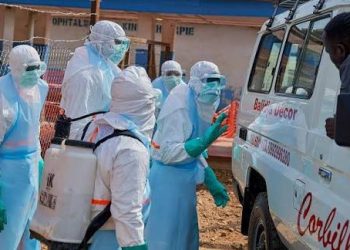
Health officials have stepped up screening measures at major entry points, while vaccination teams and rapid response units have been deployed to affected areas.
Authorities have urged the public to remain calm, comply with health guidelines and report suspected cases promptly.
“Ebola is preventable and controllable when communities cooperate with health workers.”
“We encourage residents to avoid misinformation and rely on official health updates.”
The Democratic Republic of Congo has experienced multiple Ebola outbreaks over the past decade and has developed significant expertise in containing the disease. However, health experts warn that insecurity and population movements in eastern Congo could complicate efforts to halt the latest outbreak.
As containment measures continue, residents and business owners remain hopeful that swift intervention will prevent further spread and allow normal life to resume.