The World Health Organization has warned that the Ebola outbreak in northeastern Democratic Republic of Congo is spreading into new areas and may be larger than current figures show.
The outbreak, declared on May 15, has expanded across Ituri, North Kivu and South Kivu provinces. WHO officials said the virus is now being detected in new health zones almost daily, raising concern that transmission is outpacing the response.
As of June 14, Congolese health authorities reported 782 confirmed cases and 181 deaths, according to Reuters. The latest figures mark a sharp rise from the 676 confirmed cases and 136 deaths reported earlier, underscoring the speed at which the outbreak is growing.
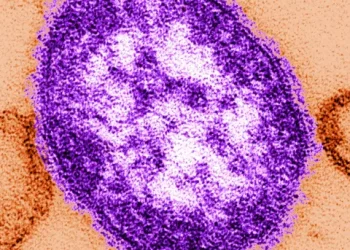
The outbreak is caused by the Bundibugyo species of Ebola virus, a rarer strain for which there are no approved vaccines or specific treatments. Health experts say this makes containment more difficult than outbreaks caused by the Zaire strain, for which vaccines and therapeutics exist.
“The outbreak continues to expand both in terms of case numbers but also in terms of geographic spread,” said Olivier le Polain, WHO’s head of epidemiology and analytics for response, speaking from Beni in North Kivu.
He said cases were previously linked mainly to travel from known hotspots, but health workers are now seeing local community transmission in newly affected areas.
“That reflects the scale of this outbreak: a scale that is much bigger than what is being detected, and the high mobility of the population,” he said.
The WHO said contact tracing has improved but remains below the level needed to control the outbreak. Le Polain said just over 70 percent of identified contacts were being properly traced, describing the figure as progress but still insufficient.
Health officials are also warning of a major shortage of isolation beds. Across the affected provinces, only about 250 beds are currently available, far below what may be required if cases continue to rise.
“Surveillance can scale up, but if you don’t have any space to put your patients safely, it becomes very difficult,” Le Polain said.
Response efforts are being complicated by insecurity, displacement, misinformation and mistrust of health workers in some communities. Eastern DR Congo has long faced armed conflict and mass population movement, conditions that can accelerate the spread of infectious diseases.
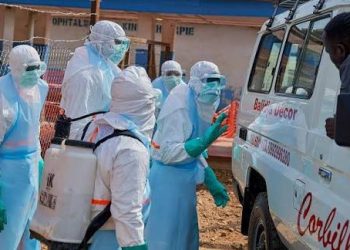
The WHO and Congolese authorities are working to expand surveillance, isolation capacity, contact tracing and community engagement as they race to prevent the outbreak from spreading further.