KINSHASA, DR CONGO
The Democratic Republic of Congo is facing its deadliest Ebola outbreak on record, with confirmed infections surpassing 10,000 and nearly 5,000 people dead, as health authorities struggle to contain the rapidly spreading virus.
Latest figures released Tuesday by Congo’s National Institute of Public Health confirmed 10,060 infections and 4,887 deaths, representing a fatality rate of approximately 48.6 percent among confirmed cases.
The outbreak, declared on May 15, has become the fastest-growing Ebola epidemic ever recorded and the second-largest globally, surpassed only by the 2014–2016 West African crisis that infected more than 28,600 people and killed over 11,000.
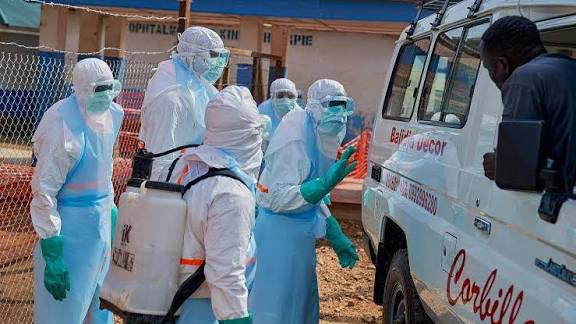
The disease has spread across 66 health zones in eight Congolese provinces, placing enormous pressure on hospitals, medical personnel and already overstretched healthcare systems.
Health officials expressed particular concern that approximately 80 percent of newly detected infections involve people outside established contact-tracing networks, suggesting that significant transmission remains undetected.
The Africa Centres for Disease Control and Prevention warned that identifying infections early and tracing contacts are essential to bringing the emergency under control.
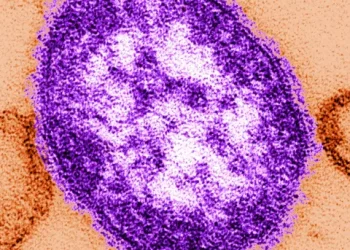
The outbreak is caused by the rare Bundibugyo Ebola virus, for which no vaccine or specific treatment has received regulatory approval.
However, the World Health Organization confirmed that clinical trials of an experimental vaccine began on October 23 in Bunia, offering hope for future protection.
Containment efforts have been complicated by insecurity, misinformation, inadequate medical supplies and growing hostility towards healthcare workers.
In Tshopo province, a nurse was recently killed and another health worker seriously injured after residents reportedly accused them of spreading the virus.
Authorities also confirmed that some Ebola response teams had suspended operations over unpaid allowances.
Beyond Congo, infections have been reported in Uganda, Kenya, Nigeria and France, prompting intensified border surveillance and emergency preparedness measures.
Kenya has confirmed nine cases, including two deaths, while Nigeria recently recorded an imported infection.
Uganda has introduced a 21-day quarantine requirement for returning citizens with recent travel histories involving Congo.
Meanwhile, WHO officials have warned that delayed treatment and community resistance continue to increase preventable deaths.
More than 2,600 patients have recovered, but medical teams remain overwhelmed in several affected communities.
African health ministers are expected to meet Wednesday to strengthen cross-border coordination and mobilise additional resources.
With infections continuing to rise, international health authorities are urging stronger surveillance, improved treatment access and urgent protection for frontline workers to prevent further loss of life.