The Lagos State Government has invited key players in the electricity industry to discuss ways of improving power supply as frequent outages continue to affect residents and businesses across the state.
The discussions will bring together electricity distribution companies, regulators, suppliers and other operators to identify problems within the sector and explore measures that could make power supply more dependable.
Commissioner for Energy and Mineral Resources Biodun Ogunleye disclosed the plan at a press briefing on Thursday, November 5, ahead of the 2026 Lagos Energy Summit.
The summit, scheduled to take place from November 10 to 12, is expected to address longstanding electricity challenges and support the state’s plan to achieve uninterrupted power supply.
Ogunleye explained that participants would examine issues affecting electricity distribution, metering, regulation and the development of alternative energy sources.
He said the government wanted the gathering to produce practical recommendations rather than end with discussions that would have little impact on electricity consumers.
The Permanent Secretary of the Ministry of Energy and Mineral Resources, Ibilola Kasumu, also spoke about the government’s expectations for the event.
Kasumu explained that this year’s summit would concentrate on identifying specific challenges and allowing industry experts to recommend ways of addressing them.
She said the proposed solutions could help improve electricity services in Lagos and provide useful lessons for other states facing similar problems.
With the theme “Lagos Energy Evolution: Transforming the Future”, the summit will also examine opportunities for renewable energy development and more efficient electricity use.
Another issue expected to receive attention is the relationship between the Lagos State Government and federal authorities in regulating electricity activities.
Ogunleye disclosed that discussions were already taking place with the Federal Government to clarify the responsibilities of both levels of government.
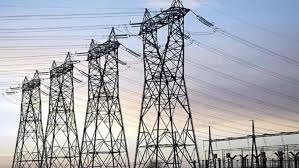
The move comes amid concerns about weaknesses in the electricity supply network, particularly the infrastructure used to deliver power to consumers.
In September, the Lagos State Electricity Regulatory Commission identified technical difficulties involving transmission facilities and distribution companies as factors limiting electricity supply.
The commission noted that improvements in distribution infrastructure would be necessary to ensure that additional electricity could reach homes and businesses.
The summit will also consider cleaner energy technologies, including compressed natural gas and electric vehicles, as part of efforts to broaden the state’s energy options.
Secondary school students are expected to contribute to the event by presenting projects and prototypes focused on clean-energy solutions.
Other participants will include government representatives, investors, researchers, academics and professionals working in the energy industry.
Although the government has outlined its plans, the effectiveness of the proposed measures will depend on what happens after the summit.
For electricity consumers in Lagos, the expectation is straightforward: fewer interruptions and a more reliable supply of power.