CARACAS, VENEZUELA
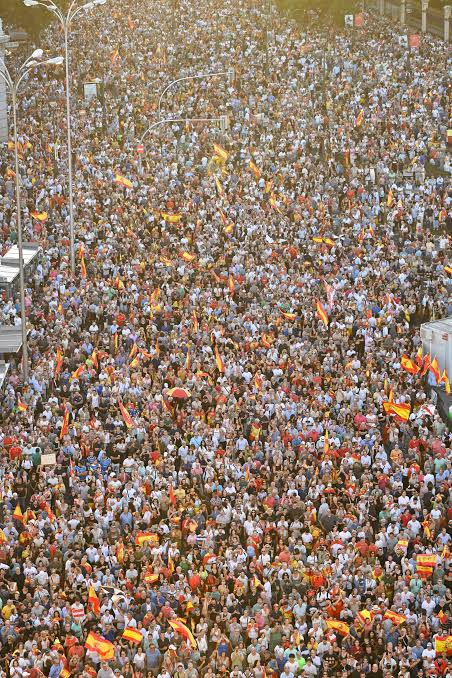
Thousands of Venezuelans have returned to the streets in the country’s first nationwide opposition demonstrations in nearly two years, demanding free presidential elections, the release of political prisoners and a clear timetable for democratic change. The demonstrations, held on Thursday, October 22, 2026, brought crowds into Caracas, Valencia, Maracay, San Cristóbal and Maracaibo, marking a significant mobilisation amid uncertainty over Venezuela’s political future. The protests were organised by Vente Venezuela, the political movement led by opposition figure and Nobel Peace Prize laureate María Corina Machado.
Demonstrators waved Venezuelan flags, displayed photographs of Machado and demanded that authorities announce a date for presidential elections.
The protests come more than nine months after American forces captured former President Nicolás Maduro in January, leaving his former vice president, Delcy Rodríguez, in charge of an interim administration. Although Rodríguez and US President Donald Trump have publicly supported holding elections, neither has announced a specific date. Machado has insisted that presidential elections must take place by July 2027, warning against further delays. The opposition maintains that its candidate, Edmundo González Urrutia, won Venezuela’s disputed 2024 presidential election, citing voting records collected by supporters.
However, electoral authorities declared Maduro the winner without publishing complete polling-station results, triggering widespread allegations of irregularities and international criticism. Thursday’s demonstrations unfolded with a noticeably limited security presence, contrasting with previous opposition protests that encountered heavy police deployments. In Caracas, the governing United Socialist Party organised a separate demonstration near the opposition’s planned gathering point, prompting protesters to relocate nearby. Interior Minister Diosdado Cabello attended the government-backed event, which authorities linked to Breast Cancer Awareness Month.
Meanwhile, demonstrators renewed demands for the release of people detained on politically related charges. Human rights organisation Foro Penal estimates that more than 320 political prisoners remain in detention despite an amnesty law introduced earlier this year. The government disputes allegations that it holds political prisoners. The demonstrations also reflected frustration over inflation, unemployment, declining purchasing power and limited economic opportunities. Internationally supported negotiations between the interim government and a separate opposition faction are continuing, with discussions focusing on restructuring the Supreme Court and electoral authorities.
However, Machado’s movement is not participating directly in those negotiations, raising concerns about political representation and the pace of reform. The opposition is also preparing initiatives to help Venezuelans living abroad register for future elections. Despite renewed public pressure, no presidential election date has been confirmed. For thousands of protesters, the central demand remains unchanged: a credible electoral process that allows Venezuelans to determine their country’s political future.