The Obi-Kwankwaso Movement has walked back its earlier defence of a disputed campaign council, acknowledging that the structure was not officially authorised while accusing supporters of the ruling All Progressives Congress (APC) of using the controversy to portray the opposition as divided.
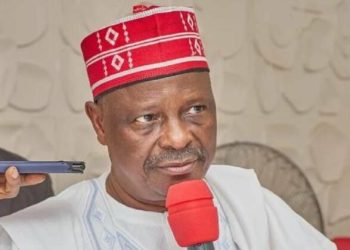
Emmanuel Idakwo, the movement’s spokesperson, made the clarification on Thursday during an appearance on Channels Television’s Sunrise Daily. He said the council announced in the group’s name was not formed through an official process and maintained that Peter Obi had not been informed about it.
The dispute centres on a 59-member presidential campaign council unveiled by the OK Movement on September 17 to mobilise support for Obi and his running mate, Rabiu Musa Kwankwaso, ahead of the 2027 general election.
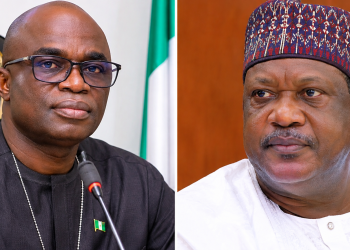
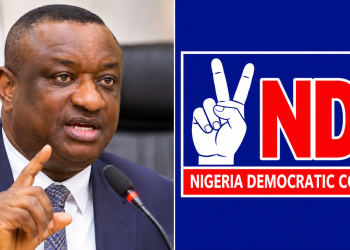
The Nigeria Democratic Congress (NDC), which is sponsoring the ticket, rejected the arrangement. Its leadership said the council had not been established by the party and warned that an unauthorised campaign structure could disrupt its organisation.
Obi also distanced himself from the council, arguing that support groups should help the party campaign rather than assume responsibilities that belong to its leadership. His position put the movement under pressure to explain why it had announced a separate structure without his approval.
The latest statement represents a change from the movement’s earlier response. After the NDC disowned the council, the OK Movement insisted that it was an independent organisation with its own leadership and internal processes. It rejected the suggestion that it needed an individual party official’s permission to organise its activities.
Idakwo said the dispute had been magnified online by people whose actions were being wrongly associated with the movement. He alleged that APC supporters were amplifying the controversy to discredit the NDC and make it appear that the party was divided.
The allegation had not been publicly answered by the APC at the time of the reports. The party’s national publicity secretary, Felix Morka, was contacted for a response but had not replied before the report was published.
Meanwhile, the NDC had given Obi and Kwankwaso the authority to nominate their preferred leaders for the party’s forthcoming presidential campaign council. The decision offered a possible way to bring the candidates and party leadership together after the disagreement over who should control the formal campaign structure.
The latest clarification may help reduce tensions, but it does not by itself settle how the OK Movement will operate alongside the party’s official campaign team. The movement’s accusation against the APC also remains an allegation, not proof of a coordinated effort to undermine Obi.
With the 2027 election approaching, the episode highlights the difficulty of coordinating independent support groups with a party’s formal campaign leadership. Whether the latest admission will close the dispute remains to be seen.