ABUJA, Nigeria
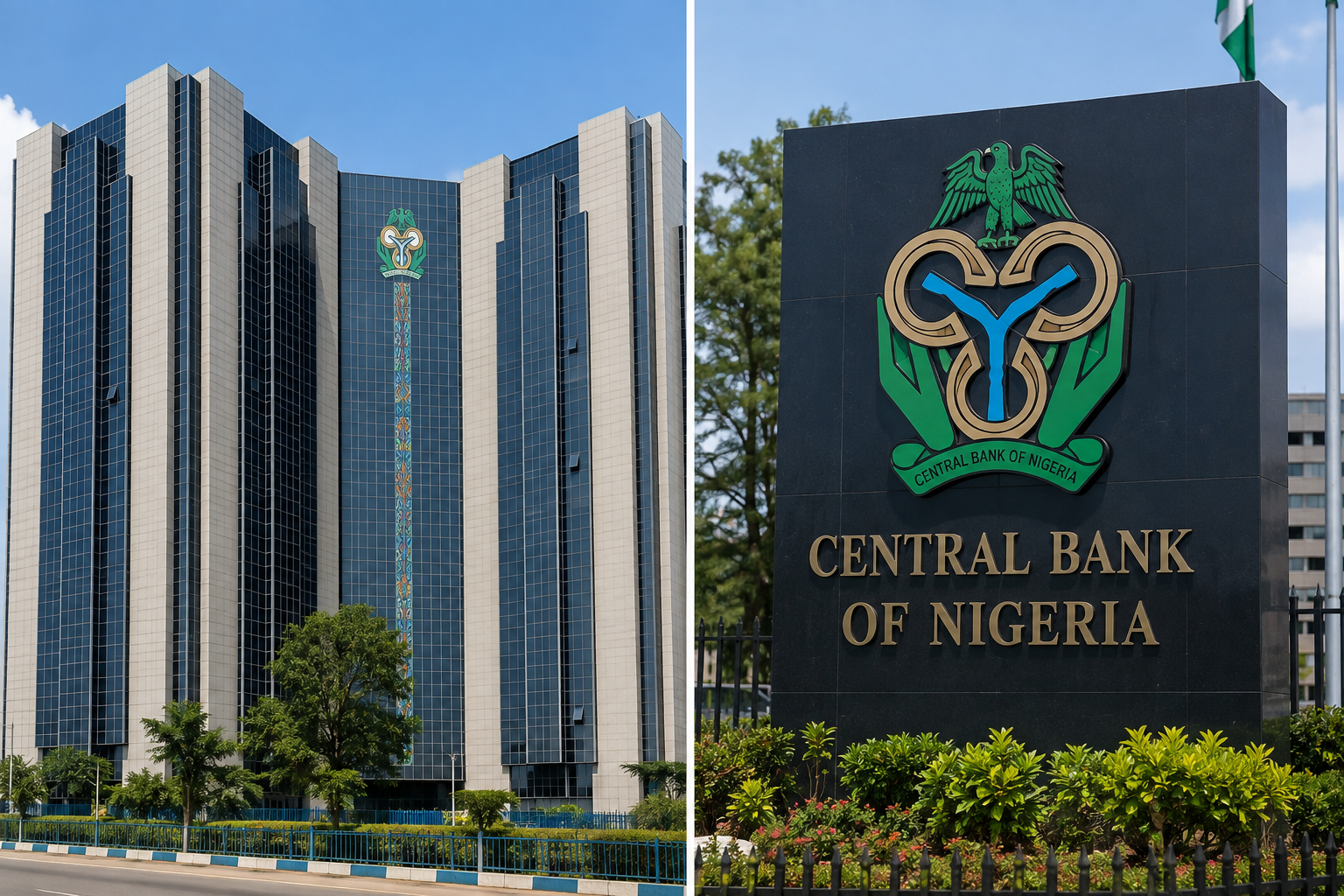
Nigeria’s gross foreign exchange reserves have climbed to $55.25 billion, their highest level in 18 years, strengthening the Central Bank of Nigeria’s buffer against external shocks and easing pressure on the country’s foreign exchange market.
Central Bank Governor Olayemi Cardoso said gross reserves stood at $55.25 billion as of September 18, up from about $53.81 billion at the end of August — an increase of roughly $1.44 billion within the month.
The CBN said the current reserve position is sufficient to finance approximately 11.3 months of imports of goods and services, well above the three-month level commonly regarded as an important minimum benchmark for external liquidity.
Nigeria’s reserves have risen by more than $8.5 billion since the beginning of 2026, supported by stronger foreign exchange inflows, increased remittances, export earnings and improved investor participation in formal markets.
Formal diaspora remittances have been among the contributors. International money transfer operator inflows reportedly reached a record $947 million in July, while inflows during the first seven months of 2026 rose to $3.8 billion — more than 50 percent higher than during the corresponding period of 2025.
Nigeria’s broader external accounts have also strengthened.
The country’s current-account surplus increased by nearly 68 percent, from $4.49 billion in the first quarter to $7.54 billion in the second quarter, while the balance-of-payments surplus rose from $2.38 billion to $3.51 billion.
The stronger reserve position gives the CBN greater capacity to meet international obligations and manage periods of foreign-currency market stress. However, higher reserves do not automatically guarantee a stronger naira, as exchange rates are also influenced by imports, capital flows, investor confidence and demand for dollars.
The development comes as the CBN begins easing monetary conditions. At its September 21–22 meeting, the Monetary Policy Committee reset the benchmark interest rate to 23 percent, down from 26.5 percent in July.
One qualification remains important: the $55.25 billion figure represents gross external reserves. The CBN did not publish a corresponding September net-reserves figure, which would account more directly for certain foreign-currency liabilities.
Even so, the rise marks a significant rebuilding of Nigeria’s external financial buffer and gives monetary authorities more room to manage currency-market volatility and global economic shocks.