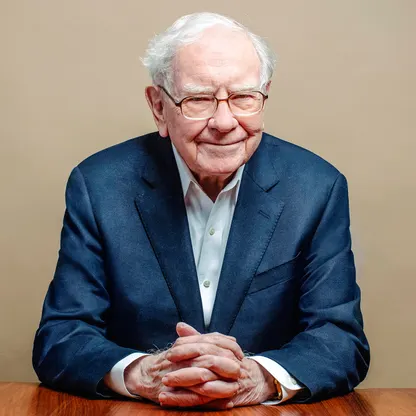
OMAHA — Warren Buffett has stepped down as chairman of Berkshire Hathaway, completing another major stage in the long-planned leadership transition at the conglomerate he built into one of the world’s most valuable companies.
Berkshire said Buffett, 96, will become chairman emeritus and remain on the company’s board. His son, Howard Buffett, 71, will succeed him as non-executive chairman, while Greg Abel continues as chief executive officer. Abel took over as CEO in January after Buffett previously relinquished the top executive role.
The move ends Buffett’s formal tenure as chairman after more than six decades of influence over Berkshire. He took control of what was then a struggling textile company in 1965 and transformed it into a sprawling conglomerate with businesses including GEICO, BNSF Railway, Dairy Queen and major stock holdings in companies such as Apple, Coca-Cola and Alphabet.
Howard Buffett, a longtime Berkshire director, is not expected to run day-to-day operations. His role is focused on preserving Berkshire’s culture, values and governance structure, while Abel leads the company’s operating businesses and capital allocation decisions.
The transition follows Buffett’s broader succession plan, which has gradually moved management responsibility to Abel. Buffett had announced in 2025 that Abel would become CEO, ending years of speculation over who would eventually lead Berkshire after the “Oracle of Omaha.”
Buffett will remain an important presence at Berkshire through his board seat and continued ownership stake. Barron’s reported that he remains Berkshire’s controlling shareholder, with a stake worth about $140 billion and roughly 30 percent voting power.
The leadership change comes as Berkshire faces questions over how it will deploy its large cash reserves and manage its vast investment portfolio without Buffett in the chairman’s seat. AP reported that investors are watching how Abel handles capital allocation and whether Berkshire can maintain the discipline and culture that shaped Buffett’s record.
Buffett’s departure from the chairmanship marks the close of one of the most influential leadership eras in modern business. Under his guidance, Berkshire became a symbol of patient investing, decentralised management and long-term shareholder value.
For Berkshire, the succession plan is now largely in place: Abel manages the company, Howard Buffett oversees the board as chairman, and Warren Buffett remains as chairman emeritus, preserving a link to the company’s defining figure while a new generation takes control.