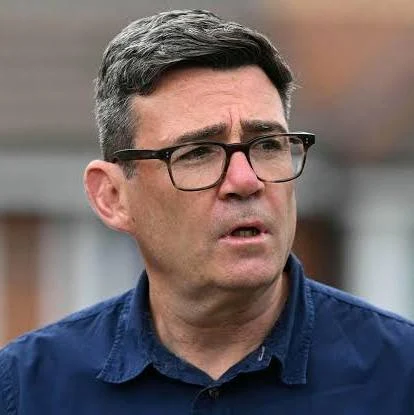
Pressure on FIFA President Gianni Infantino intensified after British Prime Minister Andy Burnham publicly called for his resignation over the governing body’s controversial proposal to sell a stake in the commercial rights of the FIFA World Cup to private investors. The remarks came as opposition to the plan spread across football organisations and political circles.
Burnham argued that the World Cup should remain a global sporting competition managed in the interests of football rather than outside investors. He said the proposal had undermined confidence in FIFA’s leadership and urged the organisation to begin a new chapter under different management.
“The World Cup belongs to the people, not private investors.”
The British leader described the proposal as unacceptable and said it had damaged trust in FIFA’s governance. His intervention makes him the first head of government of a major football nation to publicly demand Infantino’s departure over the issue.
The controversy centred on FIFA’s plan to establish a new commercial entity that would hold the World Cup’s business rights before selling up to a 20 per cent stake to private investors. The proposal, reportedly aimed at raising about $4.2 billion, was met with strong resistance from football stakeholders, who argued that it risked placing commercial interests above the long-term welfare of the sport.
The backlash extended beyond political leaders. UEFA, several national football associations and other continental bodies voiced concerns over the proposal, while reports indicated that a boycott of FIFA competitions had been discussed if the plan proceeded. The growing opposition eventually forced FIFA to abandon the initiative before it could be implemented.
“No option should be off the table.”
That message reflected the position of several European football leaders, who said governance reforms may now be necessary following the collapse of the investment proposal. Calls for greater transparency have also intensified as questions continue over FIFA’s decision-making process.
The controversy has also had internal consequences. Carlos Cordeiro, one of Infantino’s senior advisers, stepped down in protest, while former FIFA Vice-President Jim Boyce said the governing body must rebuild confidence after what he described as a damaging episode for world football.
Attention is now turning to FIFA’s presidential election scheduled for next year, with European football officials reportedly considering whether to support an alternative candidate. Although Infantino continues to enjoy backing from several football confederations outside Europe, analysts say the failed equity proposal has intensified scrutiny of his leadership and could reshape the race for football’s highest office.