Nigeria’s crude oil production climbed above its Organisation of the Petroleum Exporting Countries (OPEC) quota in June 2026, reaching its highest level in more than six years, according to the Nigerian Upstream Petroleum Regulatory Commission (NUPRC).
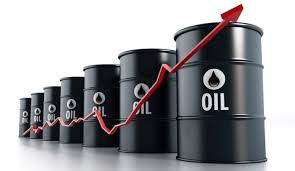
Data released by the commission in Abuja showed that the country produced an average of 1.56 million barrels of crude oil per day during the month, representing 104 per cent of its OPEC allocation of 1.5 million barrels per day. When condensate production of about 0.18 million barrels per day was added, Nigeria’s total hydrocarbon output rose to approximately 1.74 million barrels daily.
The latest figures mark the fourth consecutive month that Africa’s largest oil producer has exceeded its OPEC quota, reflecting sustained growth in the upstream petroleum sector. The commission noted that the June performance was the strongest recorded since April 2020, making it a 74-month high in crude oil production.
According to NUPRC, production levels have continued to improve steadily in recent months. Total crude oil and condensate output increased from about 1.48 million barrels per day in February to 1.55 million barrels in March, 1.66 million barrels in April, 1.70 million barrels in May and 1.74 million barrels in June.
The commission attributed the improvement largely to stable operations across producing assets and the absence of major pipeline disruptions during the review period. It added that scheduled maintenance programmes were completed successfully without significantly affecting production volumes.
NUPRC stated:
“Nigeria’s crude oil and condensate production soared to an average of 1,735,398 barrels per day in June 2026.”
The commission also noted:
“The improved performance was primarily driven by stable production operations across most producing assets and the absence of any major pipeline outages.”
A breakdown of production by export terminals showed that Bonny and Forcados remained the country’s highest-producing streams during the month, followed by Qua Iboe, Escravos and Bonga. The strong performance helped consolidate Nigeria’s position as Africa’s leading oil producer.
Industry analysts believe the sustained rise in production could boost government revenue, improve foreign exchange earnings and support economic growth if the momentum is maintained. The latest output figures also strengthen hopes that Nigeria could move closer to its longer-term production target of two million barrels per day.