

WASHINGTON, United States
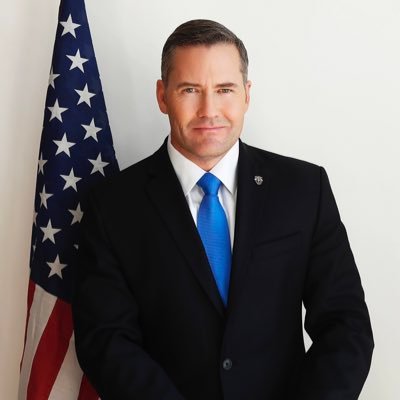
The United States offered to sell Iran uranium for peaceful nuclear activities during previous negotiations aimed at ending the war, but Tehran rejected the proposal, US Ambassador to the United Nations Mike Waltz has revealed.
Speaking on NBC’s Meet the Press on Sunday, Waltz said the Trump administration was prepared to support a civilian nuclear programme in Iran, provided Tehran accepted international monitoring and restrictions preventing the development of nuclear weapons. The proposed arrangement would have allowed Iran to obtain uranium from the United States rather than enrich the material domestically.
Waltz compared the offer to the United Arab Emirates’ civilian nuclear programme, which operates under international safeguards and relies on externally supplied nuclear fuel.
Waltz said Washington was willing to consider several arrangements to prevent Iran from possessing highly enriched uranium or rebuilding the capacity to produce it. These included transferring existing enriched material out of Iranian control and supplying fuel for civilian nuclear activities under international safeguards.
The proposal would resemble Washington’s nuclear cooperation agreement with the UAE, which permits civilian nuclear power generation while restricting domestic uranium enrichment and spent-fuel reprocessing.
Iran has consistently maintained that its nuclear programme serves peaceful purposes, including electricity generation, medical treatment and scientific research. Tehran also insists on its right to enrich uranium domestically under the Nuclear Non-Proliferation Treaty.
The disagreement remains central to negotiations between the two countries. Iran is estimated to possess more than 440 kilogrammes of uranium enriched to 60 percent purity, substantially above the level generally required for civilian electricity generation.
The International Atomic Energy Agency has expressed concern over Iran’s compliance with nuclear safeguards, while Tehran maintains that restrictions on inspections are connected to security threats following American and Israeli attacks on its facilities.
Waltz’s disclosure comes as diplomatic efforts to end the Middle East war face renewed uncertainty.
President Donald Trump rejected Iran’s proposed seven-day peace roadmap on Saturday, which sought sanctions relief, the lifting of the American naval blockade and the reopening of the Strait of Hormuz.
Waltz accused Tehran of demanding major concessions before substantive negotiations could begin.
Iranian Foreign Minister Abbas Araghchi, speaking separately on NBC, maintained that Tehran remained open to diplomacy despite preparing for renewed military confrontation. Trump has indicated that further talks could take place during the coming week.
For now, the dispute over uranium enrichment remains a major obstacle to an agreement, with Washington demanding safeguards against weapons development and Tehran seeking recognition of its civilian nuclear rights.



















