ABUJA, — A newly established U.S.–Nigeria Working Group convened its first session in Abuja on January 22, with both governments pledging closer coordination to curb violence against civilians and reinforce protections for religious freedom after Washington designated Nigeria a “Country of Particular Concern” (CPC) under the International Religious Freedom Act.
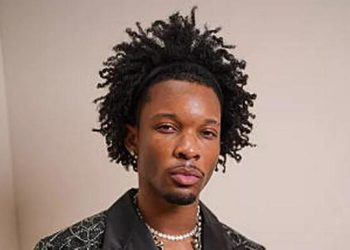
In a statement posted on X, U.S. Representative Riley M. Moore said the forum gives Nigeria “a once in a lifetime opportunity” to help end the persecution of Christians in the North and Middle Belt, while also strengthening bilateral cooperation against terrorism and other security threats. Moore said the two countries committed to ensuring Nigerians can “live and practice their faith without fear of persecution and death.”
The joint working group was created in response to the CPC designation and is intended to align U.S. and Nigerian efforts to “reduce violence against vulnerable groups,” particularly Christians, and create an environment where all Nigerians can practice their faith without interference from terrorists, separatists, bandits and criminal militias, according to a joint statement released after the meeting.
Nigeria’s delegation was led by National Security Adviser Nuhu Ribadu and included representatives from 10 ministries and agencies, while the U.S. team was headed by Under Secretary of State Allison Hooker and comprised eight federal agencies, the statement said.
Both sides said discussions covered areas where cooperation could improve religious freedom and strengthen security nationwide, and acknowledged longstanding ties rooted in pluralism, rule of law and sovereignty. The U.S. delegation also welcomed Nigeria’s “realignment of resources” to address insecurity, especially in North Central states, according to the communiqué.
The meeting comes amid heightened international scrutiny of Nigeria’s security crisis. Recent attacks in the North-West, including mass abductions from churches in Kaduna, have drawn renewed attention from U.S. officials and lawmakers. Nigeria’s military continues operations against armed groups across multiple regions, while Abuja has repeatedly argued the violence is driven by a mix of banditry and insurgency rather than a single religious narrative.
Separately, U.S. and Nigerian officials have also discussed security assistance, including delivery of military equipment Nigeria says it has purchased over the past five years—talks that underscore the broader security-and-diplomacy context surrounding the working group’s launch.