
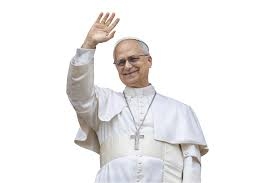
Pope Leo XIV celebrated Mass before about 100,000 worshippers outside Angola’s capital on Sunday, using the occasion to urge hope, reconciliation and justice in a country he described as both beautiful and deeply wounded by war, poverty and exploitation.
Speaking in Kilamba, a vast Chinese-built housing development about 25 kilometres from Luanda, the pope said Angola’s history was reflected in the Gospel’s message of longing for renewal. “In this opening scene of the gospel I see reflected the history of Angola, of this beautiful yet wounded country, which hungers and thirsts for hope, peace, and brotherhood,” Leo said in his homily.
The pope also denounced the exploitation of Angola’s mineral-rich land and its people, many of whom still bear the scars of the brutal civil war that followed independence from Portugal. Reuters reported that Leo’s message built on remarks he made a day earlier before Angolan authorities, when he condemned the legacy of colonial plunder and called for leadership that serves citizens rather than outside interests.
Angola is one of Africa’s major oil producers, but poverty remains widespread despite its natural wealth. Reuters reported that more than 30 percent of the country’s 36.6 million people live on less than $2.15 a day, highlighting the sharp contrast between resource wealth and daily hardship.
Leo’s homily also widened into a broader appeal for peace beyond Angola. During the Mass, he expressed concern about the worsening war in Ukraine and called for weapons to “fall silent,” while also welcoming the ceasefire between Israel and Lebanon as a sign of hope.
Later on Sunday, the pope was due to pray the Rosary at the Sanctuary of Mamã Muxima, one of Angola’s most important Catholic pilgrimage sites, on the edge of the Kwanza River south of Luanda. Vatican News described the shrine as a powerful symbol of Marian devotion and solace for Angolans, while the Associated Press noted its painful historical link to the trans-Atlantic slave trade.
Leo arrived in Angola on Saturday, the third stop of his four-nation African tour, which also includes Algeria, Cameroon and Equatorial Guinea. The visit is being closely watched as a sign of the new pope’s priorities in Africa, where the Catholic Church is growing rapidly and where issues of inequality, corruption and post-conflict healing remain central to public life