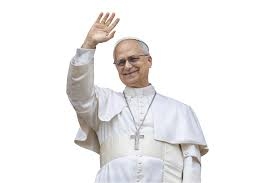
Preparations are underway in Equatorial Guinea ahead of Pope Leo XIV’s arrival on Tuesday, as church leaders and residents in the Central African nation describe the visit as both a spiritual milestone and a moment of national significance. The stop will be the fourth and final leg of the pope’s 10-day tour of Africa, which has already taken him to Algeria, Cameroon and Angola.
In Malabo, officials and Catholic leaders have been making final arrangements for the visit, which many see as a rare honour for the small oil-rich country. Africanews reported that local church figures believe the pope’s presence could help strengthen faith and promote national unity in a country where Catholicism remains a major force in public life. Equatorial Guinea is one of relatively few African countries to host a papal visit, and for many residents the event carries both religious and symbolic weight.
According to Vatican and Reuters reporting, around 80 percent of Equatorial Guinea’s roughly two million people are Catholic. Pope John Paul II visited the country decades ago, making Leo’s trip a rare return by a pontiff and a major event for the local Church. The Vatican itinerary shows Leo will conclude his African journey in Equatorial Guinea between April 21 and April 23.
The visit also comes with political undertones. Reuters reported on Monday that Leo is expected to address President Teodoro Obiang Nguema Mbasogo, one of the world’s longest-serving leaders, during the trip. In previous stops on the tour, the pope has sharpened his criticism of corruption, exploitation and authoritarian rule, condemning what he called the forces that have kept parts of Africa hostage for generations. In Angola, he denounced the exploitation of the continent’s natural wealth and railed against “authoritarians” and “chains of corruption,” themes likely to resonate strongly in Equatorial Guinea as wel
Leo’s wider Africa tour has focused on peace, dignity, inequality and the global neglect of African crises. Vatican officials have described the journey as an effort to draw international attention to a continent that is home to more than one-fifth of the world’s Catholics. For Equatorial Guinea, the final stop offers a chance to be seen not only as the endpoint of an ambitious papal itinerary, but as a country where the pope’s message of moral renewal, justice and unity may find particularly powerful echoes.