
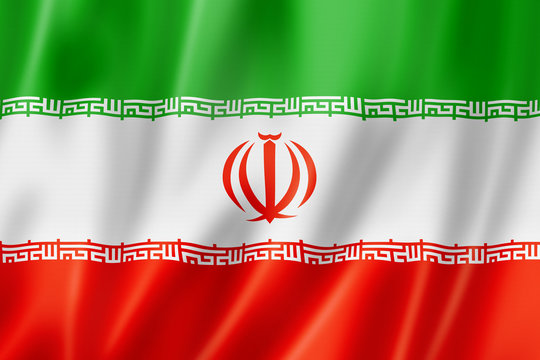
At least two people have reportedly been killed in Iran as nationwide protests over a collapsing currency and soaring cost of living entered a fifth day on Thursday.
Demonstrations, which began in Tehran’s commercial districts earlier in the week, have spread to multiple cities including Lordegan, Marvdasht, Kudasht, Isfahan, Shiraz and Mashhad.
Videos verified by BBC Persian show protesters clashing with security forces in Lordegan, in south-western Iran, where cars were set ablaze and streets filled with running battles. In that city, both the semi-official Fars news agency and Kurdish human rights group Hengaw reported two fatalities, though they differed on who was killed. Fars cited an unnamed official but did not specify whether the dead were protesters or security forces, while Hengaw named the victims as demonstrators Ahmad Jalil and Sajjad Valamanesh.
Separately, state media reported that a member of the security forces linked to the Revolutionary Guards was killed in clashes in Kudasht, Lorestan province. Protesters there insist the man was one of their own and accuse security forces of shooting him dead.
The unrest was triggered by a dramatic collapse of the Iranian rial, which in late December plunged to a record low of around 1.45 million to the US dollar on the open market, compounding inflation officially above 40% and steep rises in food and basic goods.
Initially led by bazaar merchants and shopkeepers angered by spiralling costs and market instability, the protests have rapidly taken on a political tone. Chants demanding an end to clerical rule and even calls for the return of the monarchy have been heard in several cities.
Authorities ordered the closure of schools, universities and public institutions nationwide on Wednesday, citing energy saving amid cold weather. Many Iranians saw the move as an attempt to limit gatherings and prevent the protests from spreading further.
Tight security has since been reported in parts of Tehran where the demonstrations began, including around the Grand Bazaar and key university campuses.
President Masoud Pezeshkian has said his government will listen to the “legitimate demands” of protesters, acknowledging the severe economic strain on households. But Prosecutor General Mohammad Movahedi-Azad has warned that any attempt to create instability will be met with a “decisive response,” raising fears of a harsher crackdown.
The current wave of unrest is the most widespread since the 2022 protests that erupted after the death in custody of Mahsa Amini, though so far it has not reached the same scale or intensity.
With the currency still volatile and living costs rising, there is little sign that the anger on Iran’s streets will subside soon.