The United States is not at war with Venezuela, Secretary of State Marco Rubio said Sunday, arguing that Washington is instead applying an oil “quarantine” and targeted law-enforcement measures designed to choke off sanctioned crude shipments, disrupt drug-trafficking networks and blunt what he described as hostile foreign influence in the country.
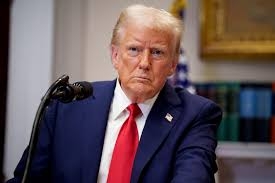
Rubio’s remarks came a day after President Donald Trump said U.S. forces captured Venezuelan leader Nicolás Maduro and his wife, Cilia Flores, during a major operation that Trump and senior officials have framed as a limited mission tied to criminal indictments rather than an occupation. Reuters reported Maduro and Flores were moved to the United States to face charges in New York, as international criticism mounted over the operation’s legality and its impact on regional stability.
At the center of Rubio’s strategy is what he called a “quarantine” on Venezuelan oil: vessels that are under U.S. sanctions and attempt to enter or leave Venezuelan waters can be seized after U.S. authorities obtain court orders, he said in televised interviews. Reuters previously reported that the White House ordered U.S. forces to focus “almost exclusively” on interdicting Venezuelan oil, while Treasury has rolled out additional sanctions on companies and vessels Washington says are tied to Venezuelan crude trade.
The enforcement campaign has already hit exports. Reuters reported last month that Venezuela’s oil shipments fell sharply after the U.S. seized a tanker carrying Venezuelan crude; the report said fear of confiscations largely halted tanker traffic and left multiple cargoes stranded, with Chevron—operating under a U.S. authorization—remaining the only U.S. company able to ship Venezuelan crude.
Rubio said there are no U.S. troops stationed in Venezuela beyond the brief operation that led to Maduro’s arrest, and he rejected claims Washington is “running” the country day—to—day—though he said the U.S. is shaping outcomes by controlling leverage over oil flows and sanctions relief.
He outlined conditions for easing pressure that include dismantling drug routes through Venezuela and reducing the footprint of U.S. adversaries—claims Caracas has historically denied. Rubio added that political change will be judged by actions rather than statements, and described immediate elections as unrealistic after years of crisis.