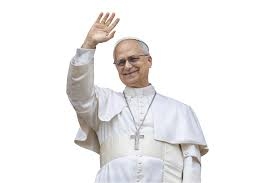
Pope Leo XIV used his Sunday noon prayer at the Vatican to renew his appeal for Lebanon, saying he felt “closer than ever” to the Lebanese people as violence continued in the country’s south and fears of wider regional escalation persisted. Speaking in St. Peter’s Square on April 12, the pontiff urged all parties to respect the principle of humanity and protect civilians from the effects of war, adding a fresh moral intervention to the Holy See’s increasingly direct commentary on the Middle East crisis. Reuters reported a day earlier that Pope Leo had already condemned the “madness of war” as U.S.-Iran diplomacy struggled to contain a broader regional conflict.
The Pope’s remarks came at a moment of continued volatility along the Israel-Lebanon frontier. While large-scale strikes on Beirut have eased compared with the heaviest days of the current escalation, clashes have persisted in southern Lebanon near the border, where exchanges of fire and renewed military activity have kept civilians under pressure. Reuters has reported in recent days that disagreements over whether regional ceasefire understandings should extend to Lebanon remain one of the main obstacles to a broader de-escalation.
Leo’s language reflected a theme that has become central to his early pontificate: that civilian life and basic human dignity must remain non-negotiable even in wartime. By stressing that humanity itself requires the protection of noncombatants, he echoed longstanding Vatican doctrine while also sharpening the Holy See’s diplomatic tone. That shift has become more visible in recent weeks as the Pope has spoken more openly about conflicts linked to Iran, Israel and Lebanon, seeking to push global leaders toward dialogue rather than further military escalation.
The Pope also widened his focus beyond Lebanon. In his prayer remarks, he marked Orthodox Easter and called attention to other major wars, including Ukraine and Sudan. His reference to Sudan was especially timely, with April 15 marking three years since the outbreak of the devastating conflict there. The Vatican has repeatedly framed such anniversaries as moments not only of remembrance, but of renewed responsibility for international actors to act before wars become normalised. Reuters and prior Vatican reporting show that papal appeals on conflict zones have increasingly tied separate crises together into a single warning about global indifference to suffering.
Leo’s latest intervention is unlikely by itself to alter military calculations on the ground. But it adds to growing international pressure on governments and armed groups to protect civilians and reopen a path to diplomacy. At a time when ceasefires remain fragile and regional mistrust is deep, the Vatican is clearly trying to keep moral urgency in the room.