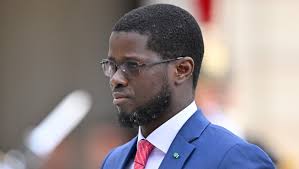
President Bassirou Diomaye Faye of Senegal has granted a pardon to a journalist convicted in connection with a case linked to the 2018 massacre that shocked the country and drew widespread international attention.
The presidential pardon effectively clears the way for the journalist’s release after serving part of a prison sentence tied to allegations surrounding coverage and reporting connected to the killings. Authorities confirmed the decision as part of broader clemency measures announced by the presidency.
The 2018 massacre remains one of the most sensitive security incidents in recent Senegalese history, prompting national debate over accountability, justice, and freedom of expression. Human rights groups and media organisations had previously raised concerns about the treatment of journalists and activists associated with reporting on the case.
Government officials said the pardon reflects constitutional powers available to the president and forms part of efforts aimed at promoting national reconciliation and easing political tensions. However, authorities did not indicate that the clemency decision alters the legal findings related to the original case.
Supporters of the journalist welcomed the development, describing it as a positive step for press freedom and democratic dialogue in the country. Some advocacy groups argued that the prosecution had raised broader questions about the rights of journalists covering sensitive political and security matters.
Critics, however, maintained that the underlying issues surrounding the massacre investigation remain unresolved and continue to require transparency and accountability from state institutions.
The case attracted attention both within Senegal and internationally because of its implications for civil liberties and media freedom in West Africa. Analysts say the pardon could help reduce tensions between the government and sections of the press, though debates over justice and accountability are likely to continue.
Political observers also note that presidential pardons in high-profile cases often carry broader political significance, especially during periods of heightened public scrutiny and national debate.
While the journalist is expected to regain freedom following the pardon, calls persist for continued investigation into the circumstances surrounding the 2018 killings and the broader issues linked to the case.