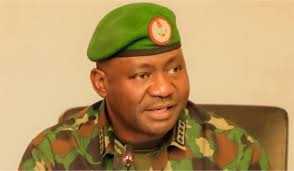
Madagascar’s transitional leader, Randrianirina, has firmly denied that the ouster of his predecessor, Andry Rajoelina, amounted to a coup, insisting that the power shift occurred without violence and within a framework he described as constitutional and orderly.
Addressing the nation in a recent interview, Randrianirina dismissed accusations that his administration is using the justice system to punish figures from the former regime. Allegations of “judicial revenge,” he said, misrepresent the role of state institutions.
“Investigations are the work of justice, not vengeance,” he stressed, vowing that those who “plundered the country” would be held accountable in accordance with the law.
Outlining his roadmap for the coming months, Randrianirina announced plans for a nationwide consultation, to be overseen by the influential FFKM — an umbrella body of Madagascar’s main Christian churches. The consultations are intended to shape a new governance framework and restore confidence in public institutions after years of political turbulence.
According to the transitional leader, the process will culminate in a referendum on proposed reforms, followed by a presidential election within two years. The timeline, he argued, balances the need for swift democratic renewal with the complexity of rebuilding state structures and public trust.
Beyond political reforms, Randrianirina pledged to give young people a stronger voice in national decision-making. He announced the creation of a Youth Assembly, which will serve as a forum for young Malagasies to debate policies, propose solutions and hold leaders to account.
He also promised to strengthen the place of Malagasy language, history and culture in the education system, saying national identity and civic values must be at the heart of the country’s renewal.
Pressed on whether he intends to run for president once elections are held, Randrianirina was deliberately cautious, saying only that “the decision belongs to the people.”
In his closing remarks, he urged citizens to show patience and remain engaged, warning that expectations of instant transformation are unrealistic.
“Rebuilding the nation cannot be done in two months,” he said. “It must be a collective effort.”
For many Malagasies, the coming consultations and promised reforms will be the first real test of whether this transition can deliver lasting stability—or simply become another chapter in the country’s long cycle of political upheaval.