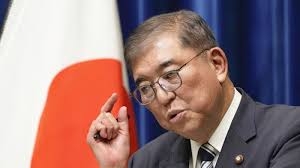
Japan’s Prime Minister, Shigeru Ishiba, has announced his resignation after his ruling party suffered a series of crushing defeats in recent elections, raising concerns about political stability in the world’s third-largest economy.
The shock decision, confirmed on Sunday, comes as the Liberal Democratic Party (LDP) struggles with declining public confidence over economic stagnation, rising living costs, and growing criticism of Ishiba’s leadership style.
In his resignation speech, Ishiba admitted responsibility for the party’s electoral failures, stating:
“The people have spoken clearly. As Prime Minister and leader of the LDP, I must take responsibility. I have decided to step down in order to allow new leadership to rebuild trust with the Japanese people.”
Analysts say Ishiba’s exit will trigger an intense leadership contest within the LDP, with several senior figures expected to vie for the role. The outcome will determine Japan’s policy direction on key issues such as economic reforms, defence, and regional diplomacy.
Ishiba’s resignation comes at a time when Japan faces multiple challenges, including a sluggish economy, demographic pressures, and rising tensions with regional powers. His departure adds uncertainty as Tokyo seeks to balance domestic recovery with global responsibilities.
Opposition parties welcomed Ishiba’s resignation, describing it as a reflection of the public’s frustration. They urged the incoming leadership to prioritise economic revival, social welfare, and political accountability.