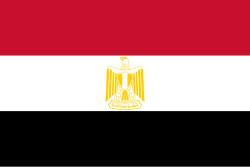
CAIRO — Egypt has entered the second phase of its parliamentary elections, with more than 34 million citizens eligible to vote, as authorities attempt to restore confidence in a process marred by irregularities in the first round.
Polling stations opened for voters after the National Elections Authority (NEA) annulled first-phase results in several constituencies last week following alleged violations.
The first stage of voting was held on 10 and 11 November across 14 provinces. However, widespread reports of breaches — including issues with electoral advertising rules and counting errors — prompted President Abdel-Fattah el-Sissi to order a review of the incidents.
Following that review, the NEA scheduled a rerun in 19 out of 70 constituencies in December, a move officials say is aimed at safeguarding the integrity of the electoral process.
For some voters, the decision to cancel and rerun the affected races has been seen as a positive signal.
Cairo resident Sherif Toubar said the annulment showed that the authorities were willing to correct mistakes: “The decision proves that people’s votes are valuable and that the representatives who enter parliament must be the ones the people really chose.”
In total, 568 seats in the House of Representatives are being contested. Half of these seats are allocated to independent candidates, with more than 2,500 individuals running under this category. The remaining half is reserved for party lists. In addition, President el-Sissi will appoint 28 members, bringing the total number of MPs in the lower chamber to 596.
The electoral process is being monitored by several international and regional observer missions, including delegations from the Arab League and the African Union, according to the presidency. Their presence is intended to bolster transparency and credibility amid domestic and international scrutiny of Egypt’s political environment.
The new parliament is expected to be sworn in before the current chamber’s term ends in January, setting the stage for the next legislative cycle as Egypt continues to grapple with economic pressures, regional security challenges and calls for broader political participation.