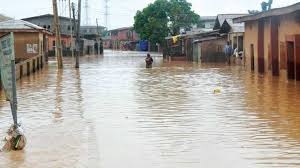
JUIZ DE FORA/UBÁ, Brazil — Residents of Juiz de Fora and nearby Ubá in Brazil’s southeastern state of Minas Gerais are clearing mud-filled streets, salvaging damaged goods and searching for buried vehicles after days of torrential rain triggered floods and landslides that have killed dozens and displaced thousands. The death toll, which stood at 46 on Wednesday, rose further on Thursday as rescue crews recovered more bodies. According to The Associated Press, the number of dead has now reached 59, with 15 people still missing and more than 5,500 residents displaced across the affected area. A day earlier, Reuters had reported 46 deaths, 21 missing, and around 3,600 displaced, underscoring how quickly the toll has been changing as searches continue.
The hardest-hit area remains Juiz de Fora, where entire neighborhoods were swamped after intense rainfall pushed rivers over their banks and triggered landslides on saturated hillsides. Reuters reported that the city recorded its wettest February on record, with rainfall more than double the monthly average, prompting authorities to declare a state of calamity. Ubá, about 110 kilometers away, was also hit hard, with streets left caked in sludge and commercial districts heavily damaged.
Business owners in the region said water surged to nearly two meters inside some premises, destroying merchandise and wrecking storefronts. Residents have returned to neighborhoods to shovel out mud and debris, but hopes of finding more survivors are fading as unstable ground and renewed rain threaten to hamper rescue work. AP said emergency teams have rescued more than 230 people, while meteorologists warned of additional heavy rain, flooding and landslide risks in the coming days.
Brazil’s federal government has mobilized health and defense personnel to support the response, and President Luiz Inácio Lula da Silva has authorized emergency assistance for the state, according to AP and Reuters. Local authorities have urged people living in high-risk hillside zones to evacuate at the first sign of cracks, leaning walls or running mudwater. The disaster is the latest in a growing series of extreme rain events battering Brazil. Scientists quoted by AP said climate change is increasing the frequency and intensity of such downpours, adding urgency to calls for stronger drainage systems, hillside stabilization and disaster-prevention infrastructure.