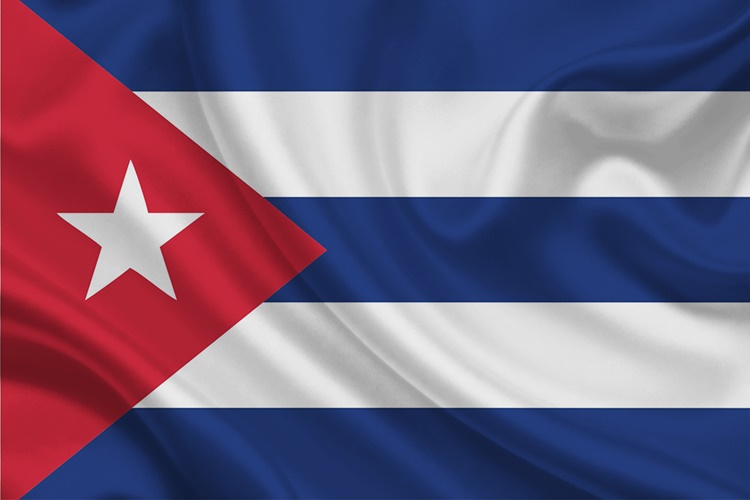
HAVANA/WASHINGTON — Cuba says it is prepared for “meaningful” engagement with the United States, but will not negotiate over its political system, as tensions rise under new U.S. pressure measures targeting the island’s fuel lifeline.
In an interview with CNN, Cuban Deputy Foreign Minister Carlos Fernández de Cossío said Havana is willing to discuss areas of mutual interest, but drew a red line around domestic governance. “We’re not ready to discuss our constitutional system,” he said, adding that Cuba assumes Washington would reject similar scrutiny of the U.S. system.
Cossío said there is no formal bilateral dialogue at present, though he acknowledged message exchanges at senior levels. That aligns with recent AP reporting that Havana is open to informal contacts while key issues remain off the table.
The remarks come as the Trump administration tightens its Cuba policy. President Donald Trump signed an executive order authorizing tariffs on goods from countries that supply oil to Cuba, a step Washington says is tied to U.S. national security concerns and broader “America First” trade strategy.
At the same time, U.S. Secretary of State Marco Rubio has publicly said Washington would like to see political change in Cuba, while stopping short of announcing direct action to force it.
The immediate pressure point is energy. The U.S. Embassy in Havana this week advised American citizens to prepare for prolonged blackouts, fuel shortages, and possible protest disruptions, recommending conservation of food, water, fuel, and phone battery power.
Mexico, now a key external supplier, says its oil contract with Cuba remains in place despite U.S. pressure. Pemex reported substantial 2025 deliveries, though volumes are expected to decline as Mexico prioritizes domestic refining.
Cuba argues the U.S. campaign amounts to economic coercion and denies posing a threat to Washington. Still, Cossío signaled selective cooperation remains possible, including on regional anti-narcotics coordination — suggesting both sides may still have narrow room to manage tensions, even as strategic distrust deepens.