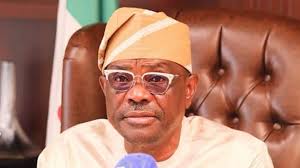
ABUJA, — A House of Representatives member, Hon. Solomon Bob (Abua/Odual–Ahoada East Federal Constituency, Rivers), has criticised President Bola Tinubu’s Special Adviser on Policy Communication, Daniel Bwala, accusing him of “misrepresenting facts” and pushing a “maliciously distorted narrative” against the Minister of the Federal Capital Territory (FCT), Nyesom Wike.
Bob’s rebuttal followed comments attributed to Bwala during a recent television appearance in which the presidential aide suggested Wike had been “adequately compensated” and implied the former Rivers governor was interfering with the administration of Rivers State Governor Siminalayi Fubara.
In a statement issued Sunday, Bob described Bwala’s remarks as “cheeky” and “unwarranted,” arguing that the “adequately compensated” phrasing projected a problematic view of public office. “Public office is about service delivery, not compensation,” Bob said, contending the comment left the impression that the presidency’s policy communication office treats governance as a “gravy train.”
The lawmaker also pushed back against what he characterised as an attempt to downplay Wike’s performance in the FCT, including the claim that improvements were merely a function of administrative changes around the Treasury Single Account (TSA). Bob argued that exiting the TSA was itself driven by ministerial initiative and that President Tinubu’s acceptance of the proposal reflected confidence in Wike’s capacity to deliver.
On Rivers politics, Bob faulted Bwala for allegedly suggesting Wike was obstructing Fubara’s governance, calling the implication reckless and beyond the adviser’s remit. He further accused Bwala of personalising official communication and presenting his own views as the President’s position, insisting Bwala does not speak for Tinubu on the Rivers dispute.
Bob also linked the criticism to Bwala’s prior political associations, alleging the adviser’s posture may reflect lingering grievances connected to the 2023 election and shifting alliances.
Bwala’s original comments were made in the context of the ongoing tension in Rivers State politics and a broader public debate over influence and party hierarchy in the state.